


If you're wondering, "How long are dogs pregnant?" read on to learn about the different timeframes and length of pregnancy in dogs.
A normal dog gestation period (or pregnancy) is 63 to 65 days, regardless of the size or breed of the dog. For example, a Chihuahua is pregnant for the same amount of time as a Rottweiler. Though how long dogs are pregnant is shorter than humans, like humans, dogs also have three trimesters. Each one lasts about 21 days. If you think or know your dog has been bred, write down the date so that your veterinarian can have confidence in your dog's due date. Here's what you can expect when your dog is expecting.
The First Trimester
During the first trimester of your dog's gestation period, her appearance won't usually change, aside from gaining a small amount of weight.
A few dogs may develop signs of morning sickness during week three or four, but it's usually not as severe as in humans, and you may not notice anything at all. If your dog throws up once or twice, seems tired and has less of an appetite during this time, don't worry. Offer her a few small meals during the day to ease nausea. If you're worried about your dog, or if her nausea and lack of appetite continue for more than a few days, consult your veterinarian.

Even if your dog seems fine, you should make an appointment with your vet if you think your dog is pregnant. Schedule a prenatal checkup during the first trimester and let your veterinarian know the date that your dog was bred. This is a great chance to ask your vet questions, including what you should feed a pregnant dog. It's best to give your dog a complete and balanced food that's formulated for pregnant or nursing dogs. Your vet may also test for parasites or recommend other tests at this time, including checking hormone levels and/or administering an ultrasound of the fetuses. The ultrasound is a safe and non-invasive way to evaluate the puppies' health.
The Second Trimester
When do you start noticing changes in your pregnant dog's appearance? The second trimester may be when your dog actually starts to look pregnant and gain weight. Her nipples along the mammary chain (the glands along the left or right side of her body) will start to enlarge and may darken in preparation for all the milk they'll need to deliver to the puppies. Not much else happens during the second trimester: Your dog can continue her normal exercise and routine.


Tasty Tips
The Third Trimester
The beginning of the third trimester (around day 45) is when you can start to see the puppies on an X-ray (radiograph). Your vet will be able to see how many puppies your dog is carrying, and they'll also ensure that the puppies' heads will pass safely through the birth canal. This is mostly a concern with brachycephalic dog breeds, who may have birth canals that are too narrow to pass big puppy heads. If your vet determines that the puppies are too big to pass safely through the birth canal, then your dog will need to have a caesarean section, or C-section, to remove the puppies when she's done gestating.
Your dog's pregnant belly will also become larger during the third trimester, and it may sway gently back and forth beneath her as she walks. Her mammary chain will swell, and she may leak milk from her nipples. Your dog will likely have a bigger appetite than usual, one that then slows down as she gets closer to delivery. And you may feel and see the puppies moving during the last two weeks of pregnancy.
As your dog's time approaches, she'll likely start looking for and preparing her birthing nest. This can be as simple as a cardboard box or a dog bed with sides that are high enough to keep the puppies inside when mom needs to leave for a break. She may also drag blankets into her nest and arrange them just so. Let her do what she needs to do — just make sure the birthing and nesting area is in a temperature-controlled environment between 29.5 and 32 degrees Celsius for the first few days.
Make sure to have your vet on speed dial during the last few weeks of pregnancy, just in case anything goes wrong, or if you need help or advice. If your dog doesn't go into labour on the 65-day due date, or if she shows signs of dystocia (difficulty giving birth), then call your vet immediately.
Most of the time, mama dogs instinctively know how to be pregnant, deliver puppies, nurse them and care for them until weaning. Sometimes, however, dogs need our help, which is why knowing how long dogs are pregnant and what to expect can help ensure your dog's pregnancy is safe and joyous.

Related products

Adult Light Chicken Meal & Barley Recipe Dog Food
Fewer calories for less active dogs
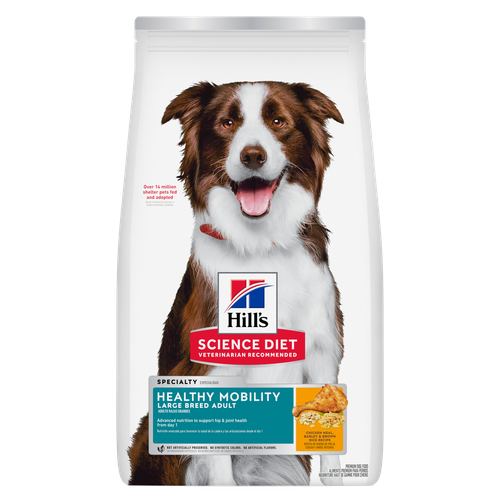
Hill's Science Diet Adult Healthy Mobility Large Breed Chicken Meal, Barley & Brown Rice Recipe Dog Food
Advanced nutrition shown to support joint health and improve mobility

Adult Light Large Breed Chicken Meal & Barley Recipe Dog Food
Fewer calories for less active large breed dogs

Adult Large Breed Chicken & Barley Recipe Dog Food
Supports healthy joints, lean muscle, and beautiful coat for large breed dogs
Related articles
Exercise Tips to Keep Your Dog Active
A little exercise can make a big difference. Not only will it enhance your pet’s health, but it will beef up your relationship as well.
Helpful Tips for Exercising with Your Dog
Though it may seem like your four-legged friend loves nothing more than to nap on the couch, dogs need regular exercise to stay healthy just like people do.

Keeping Your Dog From Begging at the Dinner Table
Learn how to stop your dog from begging at the dinner table, and understand how it can help contribute to his health.
What to Look For in Food for a Mature Dog
Learn about choosing the right dog food to help ensure your mature older dog will receive the correct balance of nutrition.

Put your dog on a diet without them knowing
Our low calorie formula helps you control your dog's weight. It's packed with high-quality protein for building lean muscles, and made with purposeful ingredients for a flavorful, nutritious meal. Clinically proven antioxidants, Vitamin C+E, help promote a healthy immune system.
Put your dog on a diet without them knowing
Our low calorie formula helps you control your dog's weight. It's packed with high-quality protein for building lean muscles, and made with purposeful ingredients for a flavorful, nutritious meal. Clinically proven antioxidants, Vitamin C+E, help promote a healthy immune system.