


If you're a dog parent, you might find your dog peeing blood at some point. But, while blood in dog urine is a scary sight, it's often treatable. A simple urinary tract infection or a benign prostate problem can be the cause.
Hematuria is the term used to describe when blood appears in a dog's urine when their urinary system, often due to inflammation, an issue with the vessels or a problem with the blood itself. Bleeding can occur either in the upper or lower urinary tract.
Here are common causes of blood in dog urine, what you should do if it affects your dog and the treatments your veterinarian may recommend.
Upper Urinary Tract Causes
As in humans, a dog's upper urinary tract contains two kidneys. Blood in urine originating in this part of the urinary tract tends to affect the kidneys. Causes for bleeding in the upper urinary tract include:
- Idiopathic renal hematuria: This is blood in the urine that results from the kidney for an unknown reason. It could be due to medicine, an infection or an issue with the immune system. This is generally considered a benign condition with a hereditary element.
- Kidney infection: If your dog is peeing blood, one or both of your dog's kidneys could possibly be infected.
- Kidney cancer: While uncommon, kidney cancer can affect dogs and cause blood in dog urine. The cancer can remain in the kidney or spread to other parts of the body.
- Renal telangiectasia: Some dogs, including Welsh corgis, have a genetic predisposition to this spontaneous widening of blood vessels in the kidney, which can lead to blood in their urine.



Tasty Tips
Lower Urinary Tract Causes
The lower urinary tract includes the bladder and the urethra, the tube that connects the bladder to the outside world and allows urine to exit the body. Causes for bleeding here include the following:
- Bladder infection: A lower urinary tract infection (UTI) is by far the most common cause for a dog peeing blood. It can be caused by skin allergies; the anatomy of the urethra, vulva or prepuce; and hormone-related incontinence in spayed females.
- Bladder stones: These can form for a variety of reasons, including genetics, nutrition and chronic infection.
- Bladder cancer: Bladder cancer in dogs often looks similar to a UTI; it can cause accidents in the house, difficulty urinating and blood in the urine.
- Prostate problems: Benign prostate enlargement and prostate infection are the most common prostate problems in male dogs who haven't been neutered.
Causes for blood in dog urine that can affect both the upper and lower urinary tracts include a ruptured bladder, which can happen if they're hit by a car or attacked by another dog; coagulopathy (a scientific word that essentially means clotting problems); and vasculitis, or inflammation of the blood vessels.
Diagnosis and Treatment
If you see your dog peeing blood, contact your vet to make an appointment as soon as possible. As a general rule, any dog peeing blood for the first time should be seen by a vet within 24 hours.
At the visit, the vet will try to diagnose the underlying cause of the blood by analyzing your dog's urine. A urine culture may be recommended to see if bacteria might be causing the issue. They may also conduct a blood test or take an X-ray or an ultrasound.
Treatment depends on the specific cause of the blood. The vet may prescribe antibiotics if the issue is related to bacteria. In cases of benign prostate enlargement and prostate neoplasia, they are likely to recommend neutering. They are also likely to suggest surgery if they find the blood is caused by bladder stones, prostate problems or anatomical irregularities. Vets commonly prescribe anti-inflammatory or pain medicine to ease dogs' discomfort.
Your vet may also recommend a change in food. Nutrition is an important component in preventing and treating urinary tract problems in dogs. Wet foods can help achieve more dilute urine, and certain foods can reduce stone formation and optimize urine pH.
Preventing Future Urinary Problems
Taking your dog for regular veterinary checkups is the best way to prevent blood in their urine and other urinary problems. Your vet can tell you if your dog is predisposed to urinary issues. If they are, the vet can routinely test your dog's urine to make sure they're in tip-top health.
Also, while it may be easy to just let your dog in the backyard to do their business alone, monitoring your dog's urinary habits occasionally is a necessary part of being a dog parent. Letting an issue like blood in the urine persist can lead to more serious consequences. You are your dog's first line of defense to their health, so careful monitoring and discussions with your vet are pertinent. With love and attention, you can help keep your dog happy and healthy.

Related products
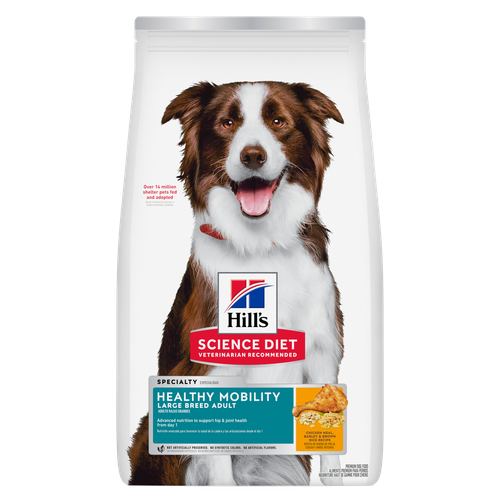
Hill's Science Diet Adult Healthy Mobility Large Breed Chicken Meal, Barley & Brown Rice Recipe Dog Food
Advanced nutrition shown to support joint health and improve mobility

Adult Light Large Breed Chicken Meal & Barley Recipe Dog Food
Fewer calories for less active large breed dogs

Adult Large Breed Chicken & Barley Recipe Dog Food
Supports healthy joints, lean muscle, and beautiful coat for large breed dogs

Adult Light Chicken Meal & Barley Recipe Dog Food
Fewer calories for less active dogs
Related articles

Helpful Tips for Exercising with Your Dog
Though it may seem like your four-legged friend loves nothing more than to nap on the couch, dogs need regular exercise to stay healthy just like people do.

What to Look For in Food for a Mature Dog
Learn about choosing the right dog food to help ensure your mature older dog will receive the correct balance of nutrition.
Exercise Tips to Keep Your Dog Active
A little exercise can make a big difference. Not only will it enhance your pet’s health, but it will beef up your relationship as well.

Keeping Your Dog From Begging at the Dinner Table
Learn how to stop your dog from begging at the dinner table, and understand how it can help contribute to his health.

Put your dog on a diet without them knowing
Our low calorie formula helps you control your dog's weight. It's packed with high-quality protein for building lean muscles, and made with purposeful ingredients for a flavorful, nutritious meal. Clinically proven antioxidants, Vitamin C+E, help promote a healthy immune system.
Put your dog on a diet without them knowing
Our low calorie formula helps you control your dog's weight. It's packed with high-quality protein for building lean muscles, and made with purposeful ingredients for a flavorful, nutritious meal. Clinically proven antioxidants, Vitamin C+E, help promote a healthy immune system.