


If you're a new pet parent, it's important to establish a routine for your dog right away to help your new pup know what's expected. Dogs are creatures of habit. Puppies as well as adult dogs need structure to feel secure. Not sure where to start? Follow these tips on establishing routines for dogs.
Why Dog Routines Are Necessary
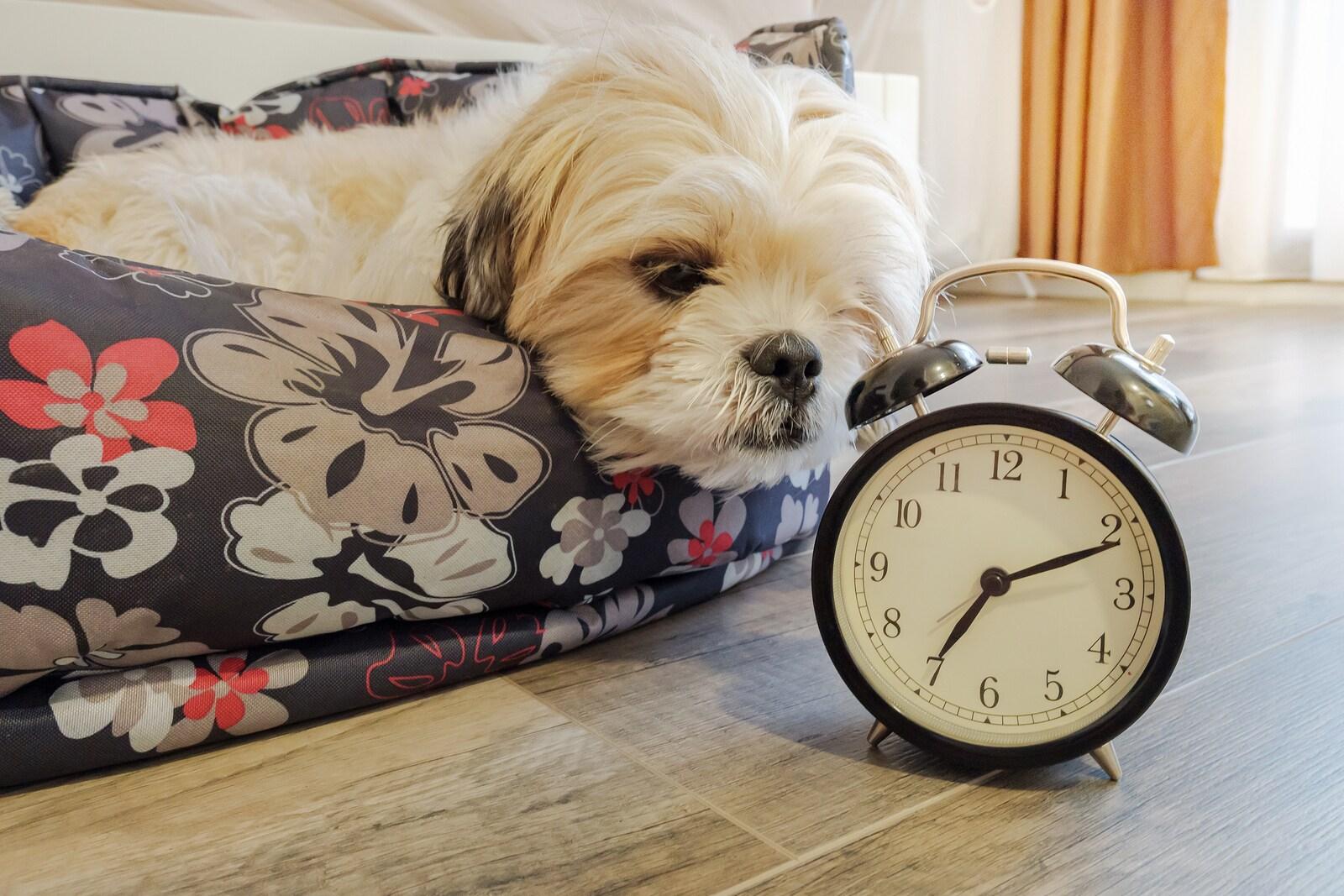 Dogs are routine-oriented animals, and change tends to stress them out. Consistency lets dogs know what's expected of them, says the American Kennel Club (AKC). Establishing a routine for your new puppy will not only satisfy his habitual nature, it will also help him fit in with your family, leading to less stress for everyone involved. Think about it. If your pup isn't conditioned to eat, sleep, play and relieve himself at times that work for the entire household and is instead left on his own to decide when these things should occur, you'll likely become frustrated with the little guy. This could lead to even bigger behaviourial problems down the line.
Your pet isn't the only one who will benefit from regular routines. Developing routines and sticking to a schedule will also help you, and other family members responsible for the new pup's care, remember things like what the dog needs, when he needs it and who is responsible for that task. Getting everyone used to a new routine will smooth the transition for the whole household and make your pup feel relaxed and welcome.


Tasty Tips
Establishing Routines for Dogs
A dog's life consists of four basic pillars that occur daily. These include eating, sleeping, potty breaks and exercise or play time, all of which can be done on a schedule.
- Feeding. You should typically feed a puppy at least three times a day. The easiest way to establish a mealtime routine for your pup is to schedule his meals around your own breakfast, lunch and dinner. Older dogs only need one or two meals each day, depending on his size and breed. As your puppy matures, or if your new pup is already an adult, it's a good idea to check with your veterinarian to find out how much and how often he should eat each day. In any case, feeding your dog close to your own mealtime tends to keep things simple. This is also a good time to make sure he has plenty of clean, fresh water to drink.
- Potty breaks. Potty training is one of the first things you'll need to do for your new furry bundle of joy. Even an adult dog who's already been house trained may go through a transition period of needing to learn appropriate times and places to relieve himself as he gets used to a new home. Puppies and tiny dogs should be taken outside to relieve themselves every two to four hours, says the AKC. To help avoid accidents, it's a good idea to take him out first thing in the morning, and again right before you leave for work. The Partnership for Animal Welfare recommends taking him out as soon as you return and at least once more before bed time. If you'll be gone most of the day, you'll need to confine him to a crate or a small, closed-off area while you're gone. It should be large enough for him to sit, stand, stretch and turn around comfortably, but not large enough that he has room to roam. Dogs don't like to soil their beds any more than humans do, so confining him will help train him to hold it until you get home. If you're dealing with a young puppy or a tiny dog with a small bladder, you may need to consider placing him in doggie daycare or hiring a dog walker to take him out in the middle of the day.
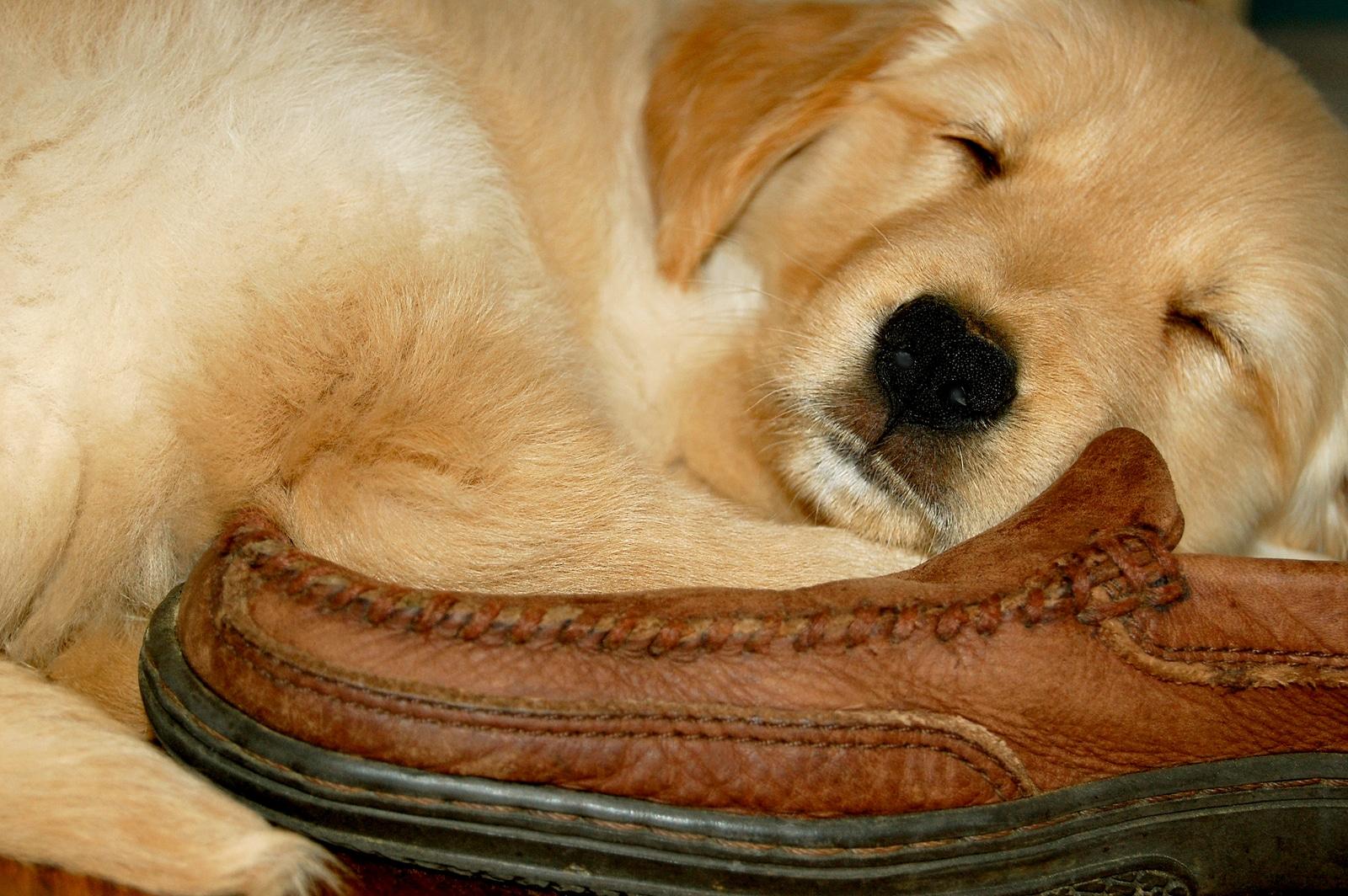 Sleep. Dogs require a lot more sleep than humans. In fact, the AKC says that young puppies need as much as 18 hours of sleep per day. While it's important to allow your pup naps throughout the day, it's also key to establish a bedtime routine if you'd like him to sleep when you go to bed and not be restless during the night. If he's awake — and keeps you awake — throughout the night, you might need to cut back on his daytime naps.
- Play time. Exercise and play time are necessary for your dog's physical health, and for his mental and emotional well-being. Dogs who exercise regularly are generally calmer and tend to have fewer behaviourial problems. And of course, play time is a great way to bond with your pup.
The best time for play and interaction is whenever you're able to make time, but it's important to be sure to fit this into your dog's day. Just keep in mind that dogs are quick to form habits. If you get up and take your dog on an early morning walk during the work week, he's going to expect it to keep happening on weekends when you might prefer to sleep in.
If you're raising a puppy, the AKC cautions that you should check with your vet before engaging in rowdy activities, such as wrestling or rigorous exercise, like running or going on lengthy walks. Many experts recommend holding off on such activities until the pup is at least a year old, and for some breeds this type of play might never be appropriate.
A Well-Rounded Day
Keep in mind that some of these dog routines can be combined. Potty breaks, for example, can be combined with exercise and play time if you take your dog outside or go on a walk. Also, never forget the value of praise and rewards for following routines. While you're potty training your dog, make sure to give him plenty of praise and possibly treats. This will help him get used to going at a certain time knowing he'll receive your affection over time.
If you establish and stick to a routine surrounding these areas of doggie care, you'll likely find that it's much easier to care for your new pup, especially as these activities become as much a habit for you as for him. Not only that, but your pup will feel cared for and secure in his new surroundings.

Related products

Adult Light Large Breed Chicken Meal & Barley Recipe Dog Food
Fewer calories for less active large breed dogs

Adult Large Breed Chicken & Barley Recipe Dog Food
Supports healthy joints, lean muscle, and beautiful coat for large breed dogs
Hill's Science Diet Adult Healthy Mobility Large Breed Chicken Meal, Barley & Brown Rice Recipe Dog Food
Advanced nutrition shown to support joint health and improve mobility

Adult Light Chicken Meal & Barley Recipe Dog Food
Fewer calories for less active dogs
Related articles
Helpful Tips for Exercising with Your Dog
Though it may seem like your four-legged friend loves nothing more than to nap on the couch, dogs need regular exercise to stay healthy just like people do.
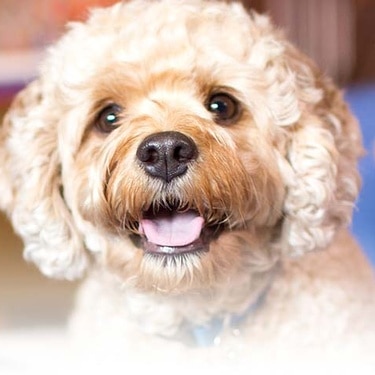
What to Look For in Food for a Mature Dog
Learn about choosing the right dog food to help ensure your mature older dog will receive the correct balance of nutrition.
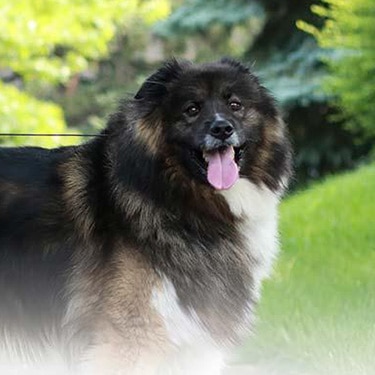
Exercise Tips to Keep Your Dog Active
A little exercise can make a big difference. Not only will it enhance your pet’s health, but it will beef up your relationship as well.
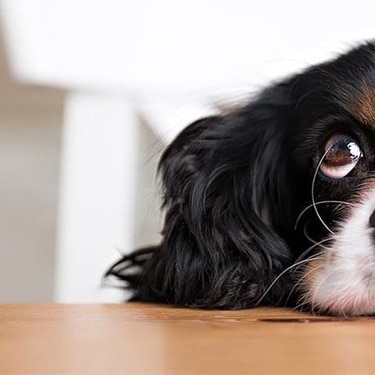
Keeping Your Dog From Begging at the Dinner Table
Learn how to stop your dog from begging at the dinner table, and understand how it can help contribute to his health.

Put your dog on a diet without them knowing
Our low calorie formula helps you control your dog's weight. It's packed with high-quality protein for building lean muscles, and made with purposeful ingredients for a flavorful, nutritious meal. Clinically proven antioxidants, Vitamin C+E, help promote a healthy immune system.
Put your dog on a diet without them knowing
Our low calorie formula helps you control your dog's weight. It's packed with high-quality protein for building lean muscles, and made with purposeful ingredients for a flavorful, nutritious meal. Clinically proven antioxidants, Vitamin C+E, help promote a healthy immune system.