


Can dogs be vegan? There's a lot of controversy surrounding this question. While some people may claim that their dogs thrive on a meat-free diet, many experts express concern that a vegan meal plan for dogs lacks the nutritional requirements for a truly healthy dog. So, which side is correct?
Can Dogs Be Vegan?
 The short answer is that yes, technically speaking, dogs can survive and even do well on a vegan or vegetarian regimen, says Cummings Veterinary Medical Center at Tufts University. While it's commonly believed that dogs are carnivores like their wolf ancestors, meaning that they must eat meat to survive, this is incorrect. Although they're members of the order Carnivora — which, it should be noted, also includes the giant panda, a species that eats almost exclusively bamboo plants — dogs are actually omnivores. Canine digestive systems are quite capable of digesting and deriving nutrients from fruits and vegetables.
Because of this, and the fact that some dogs are allergic to animal proteins, sometimes veterinarians and licensed pet nutritionists will prescribe specially designed meat-free diets to treat dogs with allergies and other types of health problems. With that said, Tufts University cautions that a dog food plan devoid of animal fats and proteins is potentially dangerous and should never be fed without the supervision of a professional.


Tasty Tips
Why a Vegan Regimen Is Dangerous for Dogs
Designing a meat-free food for dogs that contains all of the necessary nutrients for them to thrive is extremely difficult, even for licensed veterinary nutritionists, says Tufts. While the canine digestive system can get nutrition from plant matter, it has a much easier time processing animal matter. Fruits and vegetables are great for providing vitamins and antioxidants that can help your dog thrive, but they lack the necessary amounts of fat and protein. Proteins derived from animal products, like collagen, elastin and keratin — all of which are vital for healthy skin, muscles and joints — are difficult, if not impossible, to derive from a vegan diet. The bottom line is that, unless it's done very carefully under the guidance and supervision of a licensed veterinary nutritionist, making your dog vegan could lead to severe health complications and malnutrition.
How to Feed Your Dog If You're Vegan
So, what's a vegan pet parent to do? If your motivations for leading a vegan lifestyle are purely health-related, then it's important to realize that the health benefits that you derive from eating vegan don't extend to your dog. But things can get stickier if you're a vegan for ethical reasons. If you're struggling to strike a balance between feeding your dog a healthy diet and remaining true to your principles, here are some things that might help:
- Talk to your vet about your concerns. They may be able to direct you to some quality dog foods that use eggs or dairy in place of meat, while also addressing any questions and concerns you have about what you should feed your pooch.
- Consider compromising by feeding your pup a fish-based dog food.
- Shop around for high-quality dog foods that use humanely sourced meats as well as ethically sourced fruits and vegetables.
- If you're absolutely determined that your dog eat vegan, consult a licensed veterinary nutritionist to develop a nutritionally sound vegan diet for your dog.
While the short answer to "Can dogs be vegan?" may technically be yes, as you've seen, the more thorough answer is that it's far from ideal and even dangerous in some cases. Although it's admirable to be concerned about the welfare of all animals, when it comes to feeding your four-legged best friend, it's his life and health that should be at the forefront of your concern.

Related products
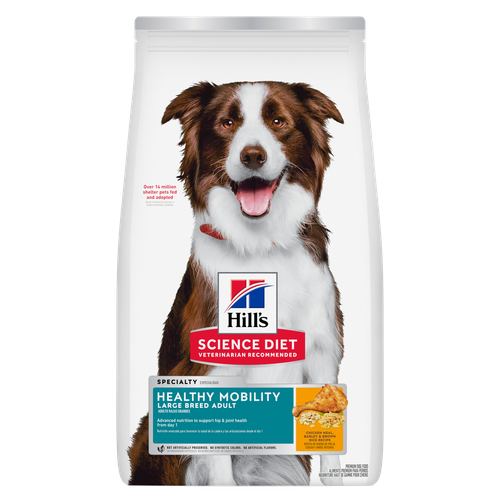
Hill's Science Diet Adult Healthy Mobility Large Breed Chicken Meal, Barley & Brown Rice Recipe Dog Food
Advanced nutrition shown to support joint health and improve mobility

Adult Large Breed Chicken & Barley Recipe Dog Food
Supports healthy joints, lean muscle, and beautiful coat for large breed dogs

Adult Light Large Breed Chicken Meal & Barley Recipe Dog Food
Fewer calories for less active large breed dogs

Adult Light Chicken Meal & Barley Recipe Dog Food
Fewer calories for less active dogs
Related articles

Helpful Tips for Exercising with Your Dog
Though it may seem like your four-legged friend loves nothing more than to nap on the couch, dogs need regular exercise to stay healthy just like people do.

What to Look For in Food for a Mature Dog
Learn about choosing the right dog food to help ensure your mature older dog will receive the correct balance of nutrition.

Exercise Tips to Keep Your Dog Active
A little exercise can make a big difference. Not only will it enhance your pet’s health, but it will beef up your relationship as well.

Keeping Your Dog From Begging at the Dinner Table
Learn how to stop your dog from begging at the dinner table, and understand how it can help contribute to his health.

Put your dog on a diet without them knowing
Our low calorie formula helps you control your dog's weight. It's packed with high-quality protein for building lean muscles, and made with purposeful ingredients for a flavorful, nutritious meal. Clinically proven antioxidants, Vitamin C+E, help promote a healthy immune system.
Put your dog on a diet without them knowing
Our low calorie formula helps you control your dog's weight. It's packed with high-quality protein for building lean muscles, and made with purposeful ingredients for a flavorful, nutritious meal. Clinically proven antioxidants, Vitamin C+E, help promote a healthy immune system.