


Vitamins can be divided into two main groups depending on whether they are soluble in fat or water. In addition, there is a group of vitamin-like substances that are similar to vitamins without fitting exactly into the categories.
| FAT-SOLUBLE VITAMINS | WATER-SOLUBLE VITAMINS | VITAMIN-LIKE SUBSTANCE |
|---|---|---|
| Vitamin A | The Vitamin B complex | L-Carnitine |
| Vitamin D | Thiamine (B1) | Carotenoids |
| Vitamin E | Riboflavin (B2) | Flavonoids |
| Vitamin K | Niacin | |
| Pyridoxine (B6) | ||
| Pantothenic acid | ||
| Folic Acid | ||
| Cobalamin (B12) | ||
| Biotin | ||
| Choline | ||
| Vitamin C |
Substances must have five basic characteristics in order to be classified as vitamins:
- It must be an organic compound different from fat, protein and carbohydrate.
- It must be a component of the diet.
- It must be essential in minute amounts for normal physiological function.
- Its absence must cause a deficiency syndrome.
- It must not be synthesised in quantities sufficient to support normal physiological function.
Individual vitamins
VITAMIN A
Vitamin A is required for:
- normal vision
- healthy coat
- healthy skin
- healthy mucous membranes
- healthy teeth
VITAMIN D
The primary function of vitamin D has to do with calcium and phosphorus and includes:
- enhancement of intestinal absorption and mobilisation
- retention and bone deposition
VITAMIN E
Vitamin E exists in different forms of which alpha-tocopherol is the most active form. Alpha-tocopherol functions as:
- a powerful biological antioxidant
- an aid to maintain membrane integrity
The body produces harmful free radicals (oxidants) that cause damage to the cells as a by-product of normal metabolism. Free radicals weaken the immune system, accelerate signs of ageing and have an important role in the development of many different diseases. The biologically active antioxidants, of which vitamin E is one of the most significant, can protect the body from the harmful effects of free radicals, if the levels of antioxidants are high enough.
VITAMIN K
Vitamin K is synthesised by gut bacteria, and regulates the formation of several blood-clotting factors.
VITAMIN B COMPLEX
The individual B-vitamins have specific functions but overall they:
- act as components of enzymes,
- act as co-factors in the metabolic processes.
VITAMIN C
Because vitamin C can be synthesised from glucose in the body of healthy dogs and cats it is not technically essential. However, more recent research has shifted the focus from prevention of deficiency to the treatment and prevention of disease. Vitamin C plays an important role in immune function.


Tasty Tips
Vitamin C may have some benefit in the recovery of stress due to exercise.
L-CARNITINE
L-Carnitine is one of the best known vitamin-like substances. It is a natural component of all animal cells. Its primary function is to help convert fat into energy. L-Carnitine transports fatty acids across the inner membrane of the mitochondria (the energy factories of the cell), so they can be oxidised and converted into energy.
With age, the mitochondria become less efficient and more free radicals are produced. L-Carnitine helps improve the efficiency of the mitochondria, so fewer free radicals are produced and mitochondrial health is maintained for longer. Liver, skeletal and heart muscles contain 95-98% of the L-carnitine in the body and are significant storage sites.
L-Carnitine has been shown to help overweight cats lose weight.
CAROTENOIDS
A group of pigments called carotenoids also exhibit vitamin-like activity. More than 600 different compounds are classified as carotenoids but fewer than 10% can be converted into vitamin A. Carotenoids are found abundantly in orange and green vegetables. Carotenoids function as antioxidants.
 |  |  |  |  |
| Butternut Squash | Peas | Broccoli | Pumpkin | Carrots |
FLAVONOIDS
The flavonoids are another group of pigments (red, blue and yellow) that have vitamin-like activity. They are found in the peels and skins of coloured fruits and vegetables. The flavonoids have a sparing effect on vitamin C and further support the antioxidant system.
 | 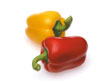 |  | 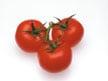 | 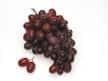 |
| Courgettes | Peppers | Aubergine | Tomatoes | Red Grapes |

Related products

Adult Light Large Breed Chicken Meal & Barley Recipe Dog Food
Fewer calories for less active large breed dogs

Adult Light Chicken Meal & Barley Recipe Dog Food
Fewer calories for less active dogs
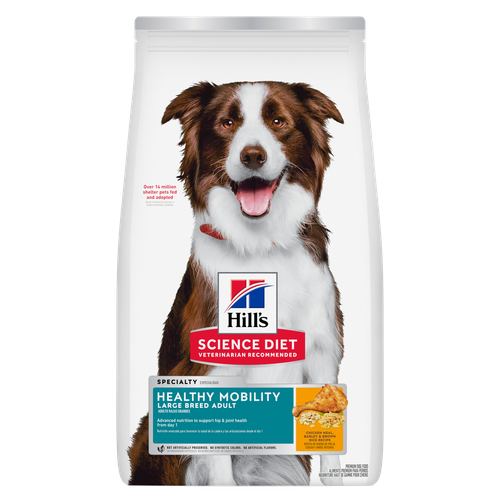
Hill's Science Diet Adult Healthy Mobility Large Breed Chicken Meal, Barley & Brown Rice Recipe Dog Food
Advanced nutrition shown to support joint health and improve mobility

Adult Large Breed Chicken & Barley Recipe Dog Food
Supports healthy joints, lean muscle, and beautiful coat for large breed dogs
Related articles

Fun Ideas for Kids and Pets This Summer
Outdoor summer activities with your dog or cat can be fun for kids, too. Learn how they also teach kids responsibility & creates a bond with their pet.

How to Choose the Best Dog and Cat Names
Open admission animal shelters help end animal abandonment, homelessness, and unnecessary euthanasia. Learn more about the shelters and how you can help.

Adopting a Pet: What You Need to Know
Learn the basics of adopting a pet, including where to begin and common questions you should ask yourself when deciding which kind of pet is best for you.

Cat vs. Dog: Which Is the Best Pet for Me?
Learn about important differences between dogs and cats, such as cost & space considerations. These factors can help you decide which pet is best for you.
Put your pet on a diet without them knowing
Our low calorie formula helps you control your pet's weight. It's packed with high-quality protein for building lean muscles, and made with purposeful ingredients for a flavourful, nutritious meal. Clinically proven antioxidants, Vitamin C+E, help promote a healthy immune system.
Put your pet on a diet without them knowing
Our low calorie formula helps you control your pet's weight. It's packed with high-quality protein for building lean muscles, and made with purposeful ingredients for a flavourful, nutritious meal. Clinically proven antioxidants, Vitamin C+E, help promote a healthy immune system.