


It's a long-held belief that cats and water don't mix, but is it true? If it is, why do cats hate water so much? When it comes to understanding why many cats don't like water, it's important to separate fact from fiction. Not every kitty hates showers, and certain breeds even love to swim.

Cats and Water: A Tepid Relationship
Many cats have an aversion to water, but the exact reasons why continue to elude experts.
The Canadian Veterinary Medical Association (CVMA) theorizes, "One reason for the aversion may have something to do with the fact that the feline species evolved in arid desert climates. Throughout their early history, cats were not exposed to rivers, lakes and rain and as a result were not as familiar with water as some other evolving species." Unlike dogs, who love to frolic in the water and in some instances are even trained to work in it, most kitties aren't fans of getting wet.
A second often-cited reason is related to your furry friend's preference for a meticulous coat. If you've ever been stuck in the rain without an umbrella, you well know that wet hair is notoriously difficult to manage, and that doesn't sit well with cats. A drenched coat weighs down your kitty, making her uncomfortable, and it can take a long time for the coat to dry. Cats, ever-diligent with their personal hygiene routine, spend about a third of their waking hours grooming, notes the CVMA. A sopping-wet coat makes their job very difficult.
Splish Splash: Taking a Cat Bath
Why doesn't your cat like water? Petful offers another answer, noting "Cats are also sensitive to odors, and it is speculated that your cat may not like the scent of chemicals from tap water." The situation gets even more overstimulating if you factor in shampoos full of unfamiliar smells.
Don't be deterred, however, from giving your cat a bath if she needs it. You can do it if you have the right tools and techniques. Items to have on hand include towels, vinyl gloves, a gentle cleanser and after-bath treats. Your greatest tub-time help, however, is a trusted friend or family member who will be patient with you and your possibly unruly kitty. Your cat's meticulous grooming skills ensure that she won't need a bath often, but if she gets herself into a dirty or smelly mess, it's good to know the tips and tricks of the trade.


Tasty Tips
Chasing Waterfalls
As a pet parent, you may notice that while your fur baby may dislike being wet, she loves to play with water. Whether it's lapping up drips of water from the bathroom faucet, drinking from a pet fountain (a great option if your cat needs to drink more water), or trying to stick a paw into your running shower, she's all about the fun and games of moving water (as long as she doesn't get too wet).
Experts theorize that a cat's predilection for running water (like your kitchen sink) over still water (like a bathtub) is a matter of playful fascination. Dripping water "is a cat magnet," says Animal Planet, providing an exploration of the senses. It's also possible that her instincts associate running water with fresher streams that would be safer to drink in the wild than a still puddle.
Swimming Cats
Although most domestic cats don't like water, their wild cousins, such as tigers, happily use it to cool off or hunt their next meal. There are also a few breeds of household kitties, including the Maine coon, Bengal and Abyssinian, that love the water and occasionally enjoy a few laps around the pool.
The cat most known for her skills in the water is the Turkish van, a rare breed that has been nicknamed the "Swimming Cat." According to The International Cat Association, these hrefcats "have a unique texture to their cashmere-like coats that makes them waterproof which lets them enjoy swimming and other water games." With a built-in wetsuit, the Turkish van can paddle around as much as she likes.
So why do cats hate water? Well, yours might not. When you welcome a cat into your home, it won't be long until you learn your feline friend's preferences and discover fun new (possibly splashy) games to play.

Related products

Adult Healthy Cuisine Roasted Chicken & Rice Medley Cat Food
Delicious roasted chicken and rice in a mouthwatering sauce
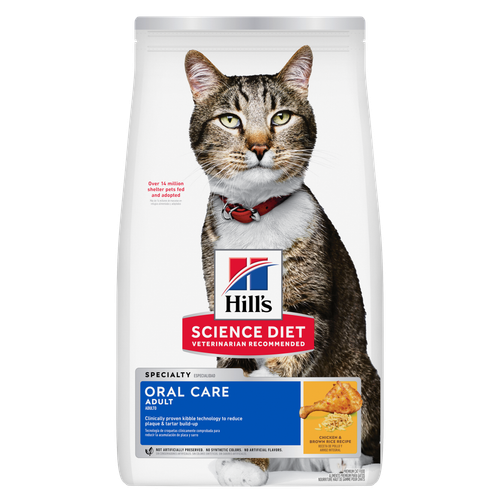
Adult Oral Care Chicken & Brown Rice Recipe Cat Food
Clinically proven kibble technology to reduce plaque & tartar build-up

Kitten Healthy Cuisine Tender Chicken & Rice Medley
Delicious tender chicken and rice in a mouthwatering sauce with precisely balanced nutrition to support 5 essential building blocks for lifelong health

Adult Perfect Digestion Chicken, Barley & Whole Oats Recipe Cat Food
Hill's Science Diet's breakthrough nutrition supports ultimate digestive well-being & healthy microbiome
Related articles
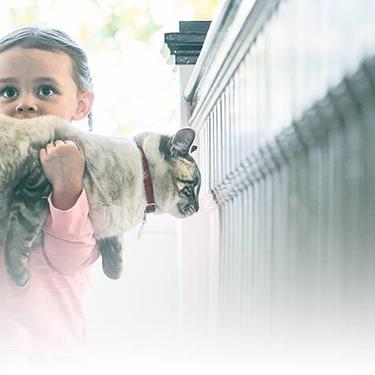
Cats with Sensitive Skin: Looking Beneath the Fur
Provide the best possible treatment for cats with sensitive skin by spotting the signs, knowing the causes, and understanding the remedies. Learn more now.

Brushing & Food: Keys to Maintaining Your Cat's Oral Health
Get helpful information on proper feline oral healthcare and why it's so vital to take care of your cat's teeth.
Weight Management
Obesity affects more than 30 percent of cats in America. Learn how you can properly feed and exercise your cat to improve its weight management.
Belly Upset: Soothing Your Cat's Sensitive Stomach
Understand the symptoms of a chronic upset stomach in your cat, and learn how to help sooth their discomfort.

Put your cat on a diet without them knowing
Our low calorie formula helps you control your cat's weight. It's packed with high-quality protein for building lean muscles, and made with purposeful ingredients for a flavorful, nutritious meal. Clinically proven antioxidants, Vitamin C+E, help promote a healthy immune system.
Put your cat on a diet without them knowing
Our low calorie formula helps you control your cat's weight. It's packed with high-quality protein for building lean muscles, and made with purposeful ingredients for a flavorful, nutritious meal. Clinically proven antioxidants, Vitamin C+E, help promote a healthy immune system.