



Why Kidney Disease is a Killer in Cats…But Doesn't Have to Be
Most people recognise cancer as the silent killer of cats, but did you also know kidney disease can take your cat's life unexpectedly? In fact, according to the Morris Animal Foundation, Chronic Kidney Disease (CKD) is the number one killer of cats in the U.S. To better prepare and protect your cat from this terrible affliction, read on and learn a bit more about how kidney disease affects cats.
1. Kidneys are Vital
According to the Washington State University College of Veterinary Medicine, your cat's kidneys "act as a complex filter that removes from blood wastes that are generated from the breakdown of food, old cells, toxins or poisons and many drugs that are given for treatment of other diseases." Your cat's two kidneys also help regulate blood pressure and calcium and vitamin D metabolism, as well as produce a substance that helps with the creation of new red blood cells. Due to the various functions of the kidneys, a cat with kidney disease may display a multitude of signs. However, these signs may not become apparent as quickly as you'd imagine.


Tasty Tips
2. Visible Kidney Disease Signs May Take Time
Kidneys are made up of microscopic nephrons. As your cat ages or if the kidneys become damaged, some nephrons begin to die and other reserve (or "resting") nephrons take over. Once there are no extra nephrons remaining, your cat may begin to display signs of kidney damage such as loss of appetite, weight loss, increased thirst, and anaemia. However, this often only occurs once 75% of kidney function (2/3 of nephrons) has been lost. This is why it is so important that you bring your cat to your veterinarian at least once a year and remain vigilant for unusual signs in your cat's behaviour. It may help prevent your cat from developing kidney disease in the first place.
For the complete slideshow on 4 Must-Know Facts About Kidney Disease in Cats, visit petMD.

Related products

Kitten Healthy Cuisine Tender Chicken & Rice Medley
Delicious tender chicken and rice in a mouthwatering sauce with precisely balanced nutrition to support 5 essential building blocks for lifelong health

Adult Perfect Digestion Chicken, Barley & Whole Oats Recipe Cat Food
Hill's Science Diet's breakthrough nutrition supports ultimate digestive well-being & healthy microbiome
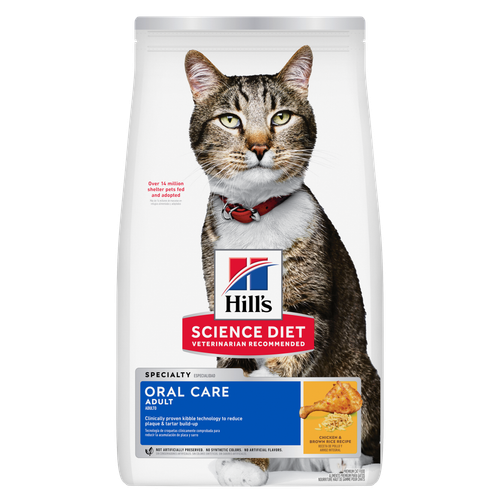
Adult Oral Care Chicken & Brown Rice Recipe Cat Food
Clinically proven kibble technology to reduce plaque & tartar build-up

Adult Healthy Cuisine Roasted Chicken & Rice Medley Cat Food
Delicious roasted chicken and rice in a mouthwatering sauce
Related articles

Weight Management
Obesity affects more than 30 percent of cats in America. Learn how you can properly feed and exercise your cat to improve its weight management.
Belly Upset: Soothing Your Cat's Sensitive Stomach
Understand the symptoms of a chronic upset stomach in your cat, and learn how to help sooth their discomfort.

Cats with Sensitive Skin: Looking Beneath the Fur
Provide the best possible treatment for cats with sensitive skin by spotting the signs, knowing the causes, and understanding the remedies. Learn more now.

Brushing & Food: Keys to Maintaining Your Cat's Oral Health
Get helpful information on proper feline oral healthcare and why it's so vital to take care of your cat's teeth.

Put your cat on a diet without them knowing
Our low calorie formula helps you control your cat's weight. It's packed with high-quality protein for building lean muscles, and made with purposeful ingredients for a flavorful, nutritious meal. Clinically proven antioxidants, Vitamin C+E, help promote a healthy immune system.
Put your cat on a diet without them knowing
Our low calorie formula helps you control your cat's weight. It's packed with high-quality protein for building lean muscles, and made with purposeful ingredients for a flavorful, nutritious meal. Clinically proven antioxidants, Vitamin C+E, help promote a healthy immune system.