


The slight crinkle of a cheese wrapper can send cats flying into the kitchen in search of the salty treat, but can cats eat cheese? Here's the scoop on whether cats and cheese are a good combination.
Cats and Cheese: Is It OK?
Can cats eat cheese? According to experts, yes — but only in moderation. If you give your cat cheese at all, just give them a small piece once in a while, about the size of a dice. For example, you might opt to limit your kitty's cheese intake to times when you need to hide a pill for them.
But, while many cats can tolerate small portions of cheese, if your kitty is lactose intolerant or has a milk allergy, even a small amount of cheese could wreak havoc on their digestive system.
Dairy Intolerance and Dairy Allergy in Cats
Despite the long-standing myth that cats love nothing better than a bowl of milk or cream, most cats can't digest dairy. The Cornell University College of Veterinary Medicine emphasizes that many cats are lactose intolerant and can experience gastrointestinal problems, including inflammation, diarrhoea, constipation and vomiting, if they consume dairy.
Cats with a dairy allergy may also react poorly to even a small bite of cheese. (Generally, cats don't have a lot of food allergies, but dairy, as well as fish and red meat, are the more common ones.) Like kitties with lactose intolerance, if your cat has a dairy allergy, eating cheese could lead to digestive issues and might even affect their immune system.
Common signs your cat has a dairy allergy include the following after consuming lactose products:
- Vomiting
- Diarrhoea
- Gas
- Itchy and/or red skin patches
- Hair loss
If your cat shows these or any other unusual signs, contact their veterinarian as soon as possible to schedule a check-up.


Tasty Tips
When Cheese Is a No-No
According to the Cummings Veterinary Medical Center at Tufts University, you should avoid giving your cat cheese if they need to lower their salt intake and/or if they have a heart condition. In addition to cheese, if your kitty is on a low-sodium meal plan they should absolutely stay away from deli meat, fast food, potato chips and bread.
Focus on Calories

No more than 8 to 10 percent of a pet's daily calorie allotment should come from treats or food that wasn't recommended by a veterinarian. Cheese, for example, is a popular human food that can be way too high in calories. In fact, giving a 1-ounce cube of cheddar cheese to a 10-pound cat is equal to a person scarfing two and a half cheeseburgers, all at once.
The best approach for cat parents? Avoid the extra snacks and substitute extra love instead.
Types of Cheese: Good vs. The Bad
If you do sneak your cat a cheesy treat, certain varieties may be better than others:
- Cheddar: One of the most popular cheeses around, cheddar is a semi-hard cheese that doesn't contain much lactose. This doesn't mean, however, that your cat should eat large amounts of cheddar, as it can cause tummy troubles.
- Swiss: A favorite among sandwich lovers, Swiss cheese is considered a healthy cheese for humans because it's high in protein and low in sodium and fat. Like cheddar, it has low amounts of lactose, but it can still lead to digestive issues.
- Mozzarella: Plenty of pet parents have caught their feline friends sneaking into the pizza box, but is all that gooey cheese good for your cat? Not so much. Soft cheeses like mozzarella, whether raw or cooked, are health hazards for cats because they are high in lactose. Cottage cheese and cream cheese pose similar risks and should be avoided.
- Brie: A popular soft cheese, brie is made with raw milk, which may contain Salmonella and Listeria, pathogens that cause serious illness. Other raw soft cheeses to avoid are blue cheese and Camembert.
- Blue cheese: Know what makes cheese blue? Mold. This type of cheese, including Stilton, is made with cultures of the mold Penicillium, which can be toxic to pets. For this reason, don't feed your cat moldy cheeses.
Say Cheese
Feeding your cat a bit of cheese here and there shouldn't be a problem, but speak to your cat's vet about whether or not it's a healthy option for your kitty. If you do feed your cat cheese, only give it to them once in a while and in small amounts. That'll give them something to smile about!

Related products
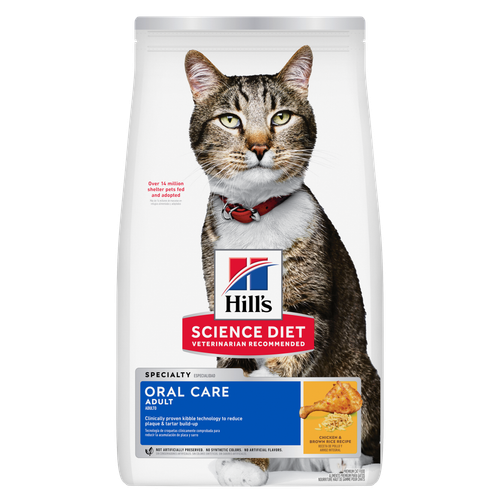
Adult Oral Care Chicken & Brown Rice Recipe Cat Food
Clinically proven kibble technology to reduce plaque & tartar build-up

Adult Healthy Cuisine Roasted Chicken & Rice Medley Cat Food
Delicious roasted chicken and rice in a mouthwatering sauce

Kitten Healthy Cuisine Tender Chicken & Rice Medley
Delicious tender chicken and rice in a mouthwatering sauce with precisely balanced nutrition to support 5 essential building blocks for lifelong health

Adult Perfect Digestion Chicken, Barley & Whole Oats Recipe Cat Food
Hill's Science Diet's breakthrough nutrition supports ultimate digestive well-being & healthy microbiome
Related articles
Cats with Sensitive Skin: Looking Beneath the Fur
Provide the best possible treatment for cats with sensitive skin by spotting the signs, knowing the causes, and understanding the remedies. Learn more now.
Belly Upset: Soothing Your Cat's Sensitive Stomach
Understand the symptoms of a chronic upset stomach in your cat, and learn how to help sooth their discomfort.
Weight Management
Obesity affects more than 30 percent of cats in America. Learn how you can properly feed and exercise your cat to improve its weight management.

Brushing & Food: Keys to Maintaining Your Cat's Oral Health
Get helpful information on proper feline oral healthcare and why it's so vital to take care of your cat's teeth.

Put your cat on a diet without them knowing
Our low calorie formula helps you control your cat's weight. It's packed with high-quality protein for building lean muscles, and made with purposeful ingredients for a flavorful, nutritious meal. Clinically proven antioxidants, Vitamin C+E, help promote a healthy immune system.
Put your cat on a diet without them knowing
Our low calorie formula helps you control your cat's weight. It's packed with high-quality protein for building lean muscles, and made with purposeful ingredients for a flavorful, nutritious meal. Clinically proven antioxidants, Vitamin C+E, help promote a healthy immune system.