


Your tiny tiger may have tried every kind of kibble from chicken to rabbit to fish, but can cats eat eggs? Yes, cats can eat eggs if you know the risks and benefits — cooked eggs can be a great treat to add to your cat's mealtime routine.
The Benefits of Eggs
Petcha includes eggs on a list of cat "superfoods." The author of the list, veterinarian Dr. Laci Schaible, says she offers her own cats some scrambled eggs once a week. The protein in eggs is easy for cats to digest, and eggs are packed with amino acids that help maintain lean muscle.
Salmonella: It's No Yolk
If you don't have time to scramble them up diner-style, can cats eat eggs raw? Absolutely not, says the American Verterinary Medical Association. That's because, just like humans, cats can contract salmonella or E. coli bacteria from consuming raw eggs (or raw meat). Symptoms of poisoning from these pathogens vary but can include vomiting, diarrhea and lethargy. The illness can even be fatal.
The Food and Drug Administration's Center for Veterinary Medicine warns against the recent uptick in pet parents feeding cats and dogs "raw diets," both for nutritional reasons and because of the dangers of salmonella and E. coli. Any contamination from raw meat can be transmitted to humans by feeding or handling pet dishes, and a bout with salmonella can be dangerous for someone who is very young, elderly or immunocompromised. Be careful to wash your hands after cooking meat or eggs for yourself, and keep your cat away from raw ingredients and other toxic human foods.


Tasty Tips
In addition to the dangers of salmonella and E. coli, Catster warns that raw eggs contain a protein called avidin that interferes with the absorption of biotin, the vitamin your cat needs to maintain her healthy skin and shiny coat. Cooking eggs denatures this protein and also provides a dose of biotin.
Don't Put All Your Eggs in One Basket
As with any food, never feed it to your cat without checking with your veterinary first. If you are feeding your cat eggs for the first time, keep an eye on her for a day or two to see if she has an adverse reaction. According to the Cummings Veterinary Medical Center at Tufts University, egg is a common allergy in cats and dogs — though it should be noted that the overall percentage of pets with food allergies is low. A food allergy can be one of the causes of itchy skin or ears, skin infections or gastrointestinal issues.
Want to see if your cat likes eggs? Great! After consulting with your vet to make sure it's a safe snack for your kitty, you can try serving them scrambled, hard-boiled or poached. Just remember to consider them a treat, and only feed your fur baby eggs as part of a balanced meal plan. For the rest of her meals, choose a high-quality, nutritionally balanced food like Hill's® Science DietTM Adult Chicken Recipe cat food. Keep her curious at mealtimes and give her food that fuels her growth, health and energy!

Related products
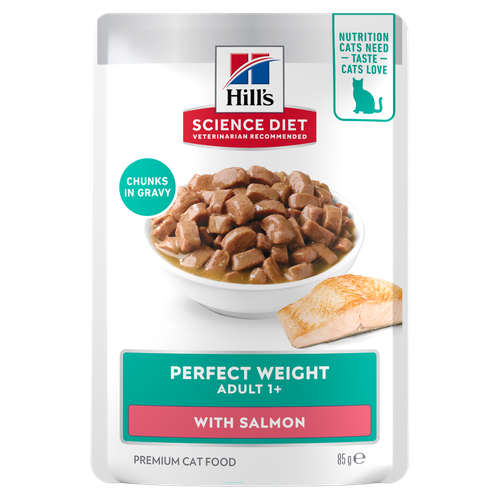
Adult Perfect Weight with Salmon Wet Cat Food
Breakthrough nutrition for your cat’s healthy weight maintenance and long-lasting weight support
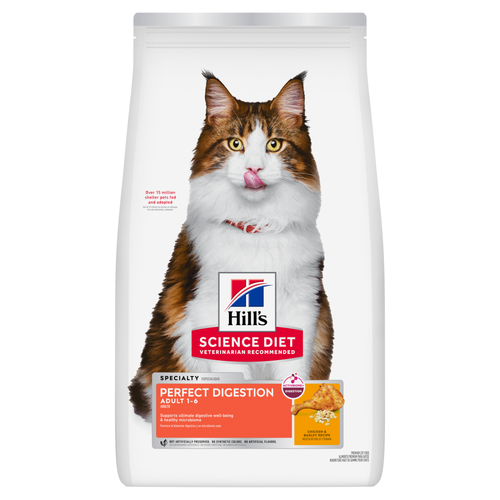
Perfect Digestion Adult Chicken & Barley Recipe Dry Cat Food
Hill's Science Diet's breakthrough nutrition supports ultimate digestive well-being & healthy microbiome
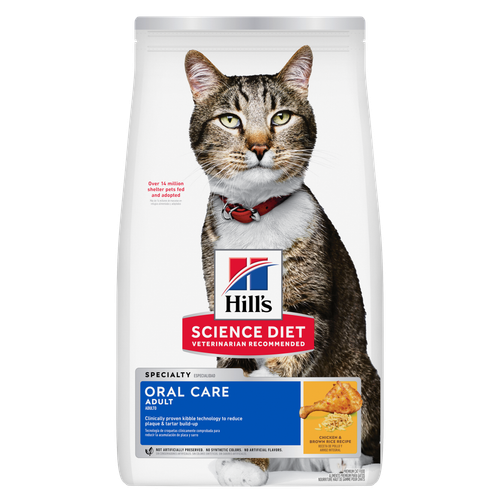
Adult Oral Care Chicken & Brown Rice Recipe Cat Food
Clinically proven kibble technology to reduce plaque & tartar build-up
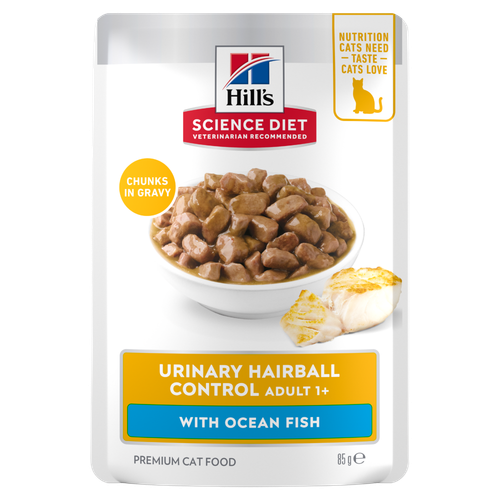
Adult Urinary Hairball Control with Ocean Fish Cat Food
Precisely balanced nutrition to support urinary health from kidney to bladder. With natural fibre technology to help reduce hairballs.
Related articles

Cats with Sensitive Skin: Looking Beneath the Fur
Provide the best possible treatment for cats with sensitive skin by spotting the signs, knowing the causes, and understanding the remedies. Learn more now.

Weight Management
Obesity affects more than 30 percent of cats in America. Learn how you can properly feed and exercise your cat to improve its weight management.

Belly Upset: Soothing Your Cat's Sensitive Stomach
Understand the symptoms of a chronic upset stomach in your cat, and learn how to help sooth their discomfort.

Brushing & Food: Keys to Maintaining Your Cat's Oral Health
Get helpful information on proper feline oral healthcare and why it's so vital to take care of your cat's teeth.

Put your cat on a diet without them knowing
Our low calorie formula helps you control your cat's weight. It's packed with high-quality protein for building lean muscles, and made with purposeful ingredients for a flavorful, nutritious meal. Clinically proven antioxidants, Vitamin C+E, help promote a healthy immune system.
Put your cat on a diet without them knowing
Our low calorie formula helps you control your cat's weight. It's packed with high-quality protein for building lean muscles, and made with purposeful ingredients for a flavorful, nutritious meal. Clinically proven antioxidants, Vitamin C+E, help promote a healthy immune system.