


Once you have talked to your veterinarian and chosen the right Science Diet™ cat food, you're on the right track to giving your kitten the healthiest life possible.
It's important to feed your kitten the right amount of Science Diet™ cat food at proper intervals, but that can be tricky, as feeding requirements vary greatly from one kitten to another. Feeding guides on the food can or bag are just a starting point. It's critical to your kitten's health that her physical condition is monitored regularly and the feeding amount is adjusted as needed.
Ask your veterinarian which of these three feeding methods is best for your kitten:
Free Choice: Food is available to your kitten at all times. Time-Limited Feeding: Food is available to your kitten for a limited time. Meal Feeding: A measured amount of food is available to your kitten at specific meal times each day.


Tasty Tips
To help your kitten grow up healthy, we recommend following the simple steps in this cycle:
Weigh your kitten.
Feed her based on feeding guides and veterinary recommendations.
Evaluate your kitten's physical condition using our body condition scoring system every two to three weeks for the first six months.
Adjust the amount you feed accordingly.
Repeat.
After the first six months, we suggest that you or your veterinarian evaluate your kitten's physical condition every few months. For some kittens, your veterinarian may suggest more frequent evaluations.

Related products
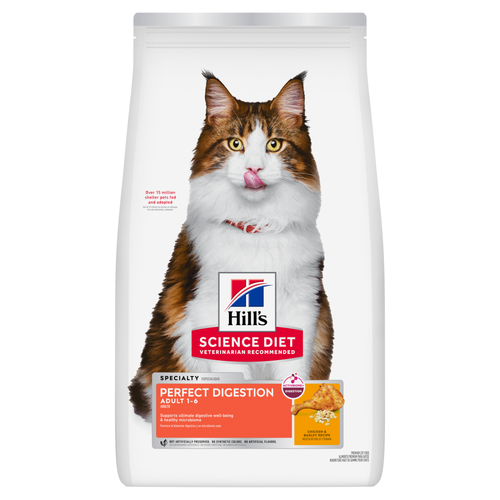
Perfect Digestion Adult Chicken & Barley Recipe Dry Cat Food
Hill's Science Diet's breakthrough nutrition supports ultimate digestive well-being & healthy microbiome
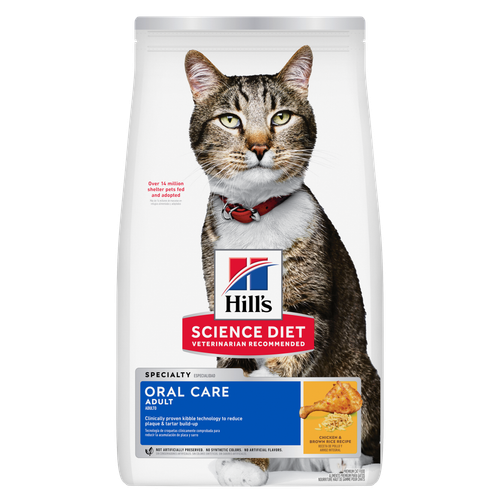
Adult Oral Care Chicken & Brown Rice Recipe Cat Food
Clinically proven kibble technology to reduce plaque & tartar build-up

Kitten Healthy Cuisine Tender Chicken & Rice Medley
Delicious tender chicken and rice in a mouthwatering sauce with precisely balanced nutrition to support 5 essential building blocks for lifelong health

Adult Healthy Cuisine Roasted Chicken & Rice Medley Cat Food
Delicious roasted chicken and rice in a mouthwatering sauce
Related articles
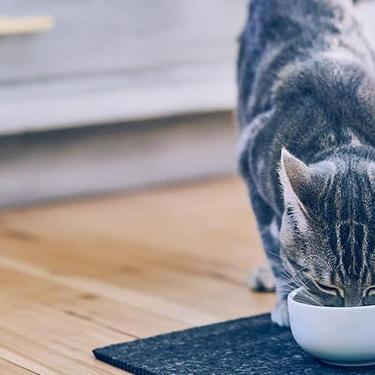
Belly Upset: Soothing Your Cat's Sensitive Stomach
Understand the symptoms of a chronic upset stomach in your cat, and learn how to help sooth their discomfort.

Weight Management
Obesity affects more than 30 percent of cats in America. Learn how you can properly feed and exercise your cat to improve its weight management.

Cats with Sensitive Skin: Looking Beneath the Fur
Provide the best possible treatment for cats with sensitive skin by spotting the signs, knowing the causes, and understanding the remedies. Learn more now.

Brushing & Food: Keys to Maintaining Your Cat's Oral Health
Get helpful information on proper feline oral healthcare and why it's so vital to take care of your cat's teeth.

Put your cat on a diet without them knowing
Our low calorie formula helps you control your cat's weight. It's packed with high-quality protein for building lean muscles, and made with purposeful ingredients for a flavorful, nutritious meal. Clinically proven antioxidants, Vitamin C+E, help promote a healthy immune system.
Put your cat on a diet without them knowing
Our low calorie formula helps you control your cat's weight. It's packed with high-quality protein for building lean muscles, and made with purposeful ingredients for a flavorful, nutritious meal. Clinically proven antioxidants, Vitamin C+E, help promote a healthy immune system.