


You've probably seen or heard countless stories of cats loving fish, but as far as cats eating tuna goes, is it really a good idea? And can cats eat tuna that's made for human consumption?
Here's why you may want to reconsider sharing your favourite canned tuna with your feline friend.
Can Cats Eat Tuna?
The simple answer is that cats are attracted to tuna. They love the powerful smell and the robust flavour of this fish, and a spoonful of tuna has been known to make the medicine go down easily.
However, though not on the list of toxic foods for cats, tuna that's meant for people can cause health issues for cats. While a single bite may not do any harm, it's best to take tuna out of their bowl entirely.
How Tuna Can Affect Cat Nutrition
A well-balanced meal plan for cats includes protein, essential fatty acids, vitamins, minerals, and other nutrients. When your kitty eats too little or too much of certain nutrients, health complications can arise.
Tuna on its own is not nutritionally balanced. For example, tuna has too much unsaturated fat and is not supplemented with Vitamin E or other antioxidants. Therefore, tuna should not be fed as your cat's primary source of nutrition.
If tuna is part of your cat's meal plan and you notice them acting out of sorts, consider taking them into your veterinarian for a wellness visit — it's always a good idea to get a baseline reading to ensure nothing serious is going on.


Tasty Tips
Why Cats Eating Tuna May Gain Weight
Most indoor cats aren't very active and don't require a lot of calories — meaning weight gain can easily creep up. According to recommendations set forth by the World Small Animal Veterinary Association, a cat that weighs 5 kilograms should consume 290 calories per day.
 When human foods are converted to kitty calories, it is easy to see that foods intended for humans have far too many calories for our feline companions. A few ounces of canned tuna in water contains almost 100 calories, which is more than a third of the recommended daily caloric intake for many cats.
In turn, eating too much tuna can cause your cat to gain significant weight, especially when fed in addition to their normal cat food. Just like in humans, obesity in cats contributes to health concerns such as diabetes, urinary disease, arthritis, and inflammation, reports Cummings Veterinary Medical Center at Tufts University
Monitoring food consumption is very important when managing your cat's health. As more manufacturers include calorie content information on pet food labels, explains the Association of American Feed Control Officials, an organisation that uses science-based evidence to develop pet food standards, "It is easier to determine how many calories are being fed to an animal per day." This is great news for cat parents, as more information can lead to more informed decisions about food, and ultimately better health for their cat.
Not All Cats Can Stomach Tuna
Cats can also be allergic to fish. The Merck Veterinary Manual lists fish as a top food allergen for cats, noting that common signs of an allergic reaction include itching, hair loss, red or swollen skin and red bumps. Cats with food allergies may also vomit and experience diarrhea, gas and a loss of appetite if they encounter an ingredient they're sensitive to. If you notice any of these symptoms, call your veterinarian right away to determine the causes and create a treatment plan.
Tuna Is High in Mercury
Tuna is high in mercury, a toxic metal. Frequent consumption of tuna may also lead to mercury poisoning explains Cailin Heinze, a veterinary nutritionist at the Cummings School of Veterinary Medicine at Tufts University. Symptoms of mercury poisoning include dizziness and loss of coordination and balance. Pet parents should keep albacore tuna, in particular, away from cats because it "is from a larger species of tuna with mercury levels almost three times higher (than chunk-light)," says Heinze.
So, can cats eat tuna? Tuna is not nutritionally balanced and should not be fed as a large part of your cat's meal plan. Even giving canned tuna as a treat can lead to health issues, especially if it is given in large amounts or frequently. To ensure your feline friend is getting the balanced nutrition they need without extra calories or toxic metals, choose a healthy cat food that uses tuna in a way that still meets their nutritional needs and satisfies their taste buds.

Related products

Kitten Healthy Cuisine Tender Chicken & Rice Medley
Delicious tender chicken and rice in a mouthwatering sauce with precisely balanced nutrition to support 5 essential building blocks for lifelong health

Adult Healthy Cuisine Roasted Chicken & Rice Medley Cat Food
Delicious roasted chicken and rice in a mouthwatering sauce
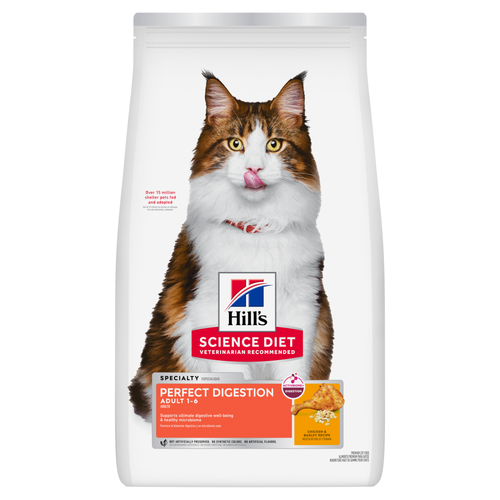
Perfect Digestion Adult Chicken & Barley Recipe Dry Cat Food
Hill's Science Diet's breakthrough nutrition supports ultimate digestive well-being & healthy microbiome
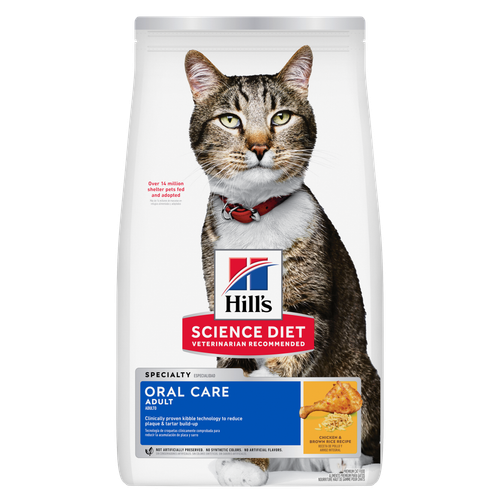
Adult Oral Care Chicken & Brown Rice Recipe Cat Food
Clinically proven kibble technology to reduce plaque & tartar build-up
Related articles

Brushing & Food: Keys to Maintaining Your Cat's Oral Health
Get helpful information on proper feline oral healthcare and why it's so vital to take care of your cat's teeth.
Belly Upset: Soothing Your Cat's Sensitive Stomach
Understand the symptoms of a chronic upset stomach in your cat, and learn how to help sooth their discomfort.
Weight Management
Obesity affects more than 30 percent of cats in America. Learn how you can properly feed and exercise your cat to improve its weight management.

Cats with Sensitive Skin: Looking Beneath the Fur
Provide the best possible treatment for cats with sensitive skin by spotting the signs, knowing the causes, and understanding the remedies. Learn more now.

Put your cat on a diet without them knowing
Our low calorie formula helps you control your cat's weight. It's packed with high-quality protein for building lean muscles, and made with purposeful ingredients for a flavorful, nutritious meal. Clinically proven antioxidants, Vitamin C+E, help promote a healthy immune system.
Put your cat on a diet without them knowing
Our low calorie formula helps you control your cat's weight. It's packed with high-quality protein for building lean muscles, and made with purposeful ingredients for a flavorful, nutritious meal. Clinically proven antioxidants, Vitamin C+E, help promote a healthy immune system.