


Visit any grocery store aisle and you are certain to find more and more shoppers scanning labels to make sure their food is "free" of one thing or another: gluten free, fat free, sugar free… the list grows longer each day. Now, these preferences have extended beyond the dinner table and into the food bowl, as discerning pet parents strive to make similar food choices for their beloved four-legged family members. After all, who doesn’t want their furry friend to have a healthy and happy life?
It’s no wonder that the pet food market has reacted in kind, with an array of grain-free cat food options appearing within the recent years. But is grain-free food for cats the right option for your favorite kitty? Contrary to what can be found on the internet (which is anything), grains can actually be good for your cat. Here are answers to some of the most common questions about grain-free cat food — and whether you should consider for your own pet.
What Is grain-free cat food?
Grain-free cat food is just what its name describes — a cat food made free of grains. Common grains found in cat food include wheat, corn, oats, barley and rice.
Most cats don't require a grain-free food and cats with diagnosed grain allergies are unusual. In a study published in Veterinary Dermatology, corn was found to be one of the least likely sources of food allergy in a cat. Of the 56 cats in the study with food allergies, corn was responsible for four cases of allergy issues. Forty-five cats, meanwhile, suffered from allergies associated with eating beef, dairy and/or fish. So how can you know if your cat has a food allergy? Some possible signs of a food allergy include:
- Itchiness
- Excessive grooming
- Excessive hair loss
- Bald patches
- Inflamed skin
- Sores and scabs
- "Hot spots"
Cats can have allergic reactions to grooming products, food and environmental irritants, such as pollen or flea bites which are more common than food allergies. Feline acne, mites, lice, and bacteria and fungus infections of the skin all can lead to similar signs as food allergies in your kitty. You can narrow down what type of allergy your cat has by having your vet do a thorough examination and if food is suspected, your vet may recommend an elimination trial, the gold standard for diagnosing a food allergy, that can help you determine what the cause of your cat's discomfort is. If there is ever a question, your vet should be your number one source for discovering if any allergies do exist.


Tasty Tips
Does grain free also mean gluten free and low carb?
More than 3 million Americans suffer from celiac disease, a painful condition that can be managed by following a gluten-free diet. But the good news is there is no scientific evidence that the same condition affects cats. So, avoiding gluten is not necessary for cats.
What many pet parents forget to consider is that to replace grains, grain-free food often uses ingredients such as potatoes, sweet potatoes, tapioca, lentils and peas. In fact, some grain-free pet foods contain carbohydrate levels similar to or even higher than cat food containing grains — but carbs don’t make dogs and cats fat. A sedentary lifestyle, neutering, over-feeding, feeding table scraps, consuming too much fat and calories are risk factors for obesity rather than carbohydrates. Carbohydrates from whole grains help provide your kitty with complete and balanced nutrition — the key to good health.
Are grain-free cat foods high in protein?
Protein is especially important in cat food because, unlike many other animals, protein is a cat's primary energy source. What many people don't realize (57 percent of cat parents, according to a PetMD survey) is that while cats do require a part of their protein to come from animals, their systems are also very good at digesting and absorbing nutrients from high-quality, plant-based ingredients. Carbs help protect the muscles in the body, especially for cats. Providing adequate carbohydrate calories spares body proteins, like muscles, from being broken down to be used for energy.
In fact, a food that relies solely on meat as a protein source can be higher in phosphorous. While phosphorus is an essential nutrient, there is a link between high-phosphorus foods and a progression of kidney disease in cats and dogs. Vegetables and grains are low-phosphorus sources of essential amino acids that cats need, providing your cat with a source of protein she needs to be healthy.
How to find the right grain-free Food for your cat
Research the different options available for your cat, talk to your veterinarian, then choose a high-quality food that meets all the nutrients your cat requires (and that your cat actually likes to eat). Your diligence will go a long way to ensuring your cat's health now and long into the future.

Related products

Adult Healthy Cuisine Roasted Chicken & Rice Medley Cat Food
Delicious roasted chicken and rice in a mouthwatering sauce
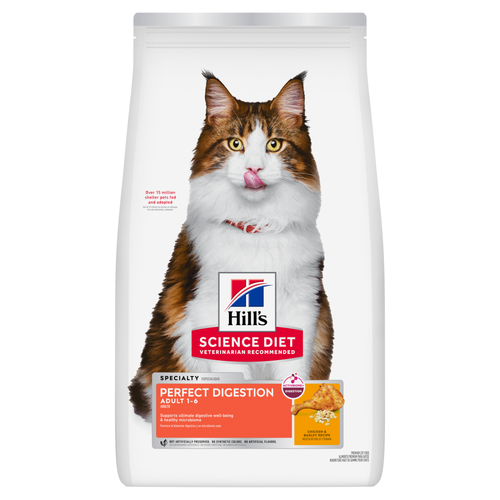
Perfect Digestion Adult Chicken & Barley Recipe Dry Cat Food
Hill's Science Diet's breakthrough nutrition supports ultimate digestive well-being & healthy microbiome

Kitten Healthy Cuisine Tender Chicken & Rice Medley
Delicious tender chicken and rice in a mouthwatering sauce with precisely balanced nutrition to support 5 essential building blocks for lifelong health
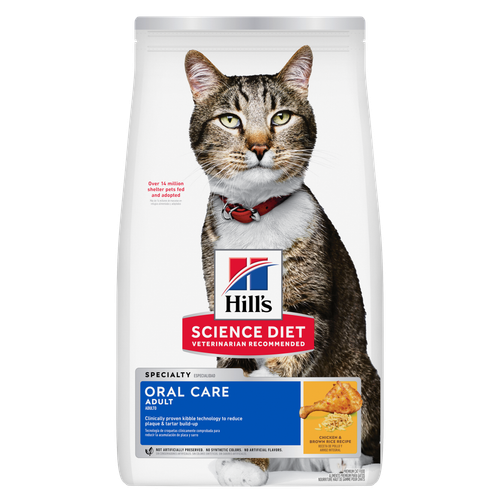
Adult Oral Care Chicken & Brown Rice Recipe Cat Food
Clinically proven kibble technology to reduce plaque & tartar build-up
Related articles
Weight Management
Obesity affects more than 30 percent of cats in America. Learn how you can properly feed and exercise your cat to improve its weight management.
Cats with Sensitive Skin: Looking Beneath the Fur
Provide the best possible treatment for cats with sensitive skin by spotting the signs, knowing the causes, and understanding the remedies. Learn more now.

Brushing & Food: Keys to Maintaining Your Cat's Oral Health
Get helpful information on proper feline oral healthcare and why it's so vital to take care of your cat's teeth.
Belly Upset: Soothing Your Cat's Sensitive Stomach
Understand the symptoms of a chronic upset stomach in your cat, and learn how to help sooth their discomfort.

Put your cat on a diet without them knowing
Our low calorie formula helps you control your cat's weight. It's packed with high-quality protein for building lean muscles, and made with purposeful ingredients for a flavorful, nutritious meal. Clinically proven antioxidants, Vitamin C+E, help promote a healthy immune system.
Put your cat on a diet without them knowing
Our low calorie formula helps you control your cat's weight. It's packed with high-quality protein for building lean muscles, and made with purposeful ingredients for a flavorful, nutritious meal. Clinically proven antioxidants, Vitamin C+E, help promote a healthy immune system.