


As a pet parent, you've probably witnessed play aggression in cats on more than one occasion (and you probably have the scratches to prove it).
Cats love to attack their toys and even their playmates, but because cats can be somewhat mysterious, your kitty's intentions during playtime may not always be clear. It's all fun and games until she crosses the line with a nip, scratch, or bite. Read on to learn how to identify cat aggression during playtime and how to reel back the roughhousing.
Signs of Aggression

Aggressive cat play isn't limited to biting and scratching. "Aggression," explains the American Society for the Prevention of Cruelty to Animals (ASPCA), "is threatening or harmful behavior directed toward a person, another cat or other animals." This type of behavior can include offensive or defensive postures, such as growling, swatting or striking, flattened ears and stiffened back, legs or tail. When a cat is ready for an all-out attack, you'll know it because she'll display her available weapons, teeth and claws, to show she means business.
The causes of play aggression in cats vary from territorial aggression (directed toward a person or another cat or dog in her space) to redirected aggression (she isn't able to attack the aggressor so takes it out on you). More than likely during playtime, her behavior is motivated by her natural predatory instincts. In this case, her prey is you! Cats are also great at hiding their pain, and temporary acts of aggression may just be her defending herself from basic instinct. If this act of aggression is uncharacteristic of your furry pal, you might want to consult your veterinarian and schedule a checkup to make sure your cat is healthy.


Tasty Tips
Discouraging Roughhousing
Curtailing aggressive play in cats can be difficult because cats aren't easy to train, but there are ways to redirect her energy. Ideally, you should stop interacting with your cat when she first becomes aggressive, which signals that it's an unacceptable behavior. To avoid becoming the target of your cat's hunt, use a favorite cat toy that she can attack instead of you. Take yourself out of the equation entirely by tossing the toy across the room instead of holding it in your hand during playtime, a move that also reduces roughhousing, which can be another trigger for aggressive cat play.

Although your cat is nipping at your ankle, never yell at her. Punishing your pet in this way is not a productive method of training and will damage the trusting relationship that the two of you have established, and it can even cause your kitty to become more aggressive toward you.
Instead, exhibit positive play techniques to reduce play aggression, such as feather toys, balls and crumpled pieces of paper. If your cat continues to display aggressive behavior, VCA Animal Hospitals recommends trying noise deterrents, including a can of compressed air for determined cats. Most important? Your timing. "For a deterrent to be effective it must occur while the behavior is taking place and be timed correctly," meaning that you should have the deterrent within reach while playing. Improper timing reduces the efficacy of your deterrent.
Aggressive Play with Other Pets
If you have any other pets in the house, you may notice your cat swatting at or nipping at your other furry companions. Typically, this behavior is indicative of their natural play behavior. If you do not see any of the normal signs of aggression like an arched back, hair standing up or hissing you can probably be rest assured that the two are engaging in some sort of play. If the play is between a cat and a dog, dogs typically have a pretty easy to read temperament in that their tail will be wagging or they will let your cat climb over them. Play between two cats is a little harder to gauge because one cat may be in the mood to play and the other is not feeling it. So, if your two cats are not on the same page it is likely a good idea to distract the one that is in the playful mood or separate the two cats as to not let things escalate.
Cats enjoy playing. It is necessary for their development and exercise. However, like with any children they may need to be taught where the line between play and aggressive behavior is, so with a little creativity and a lot of patience, you and your cat can enjoy playtime that's scratch-free and full of fun!

Related products
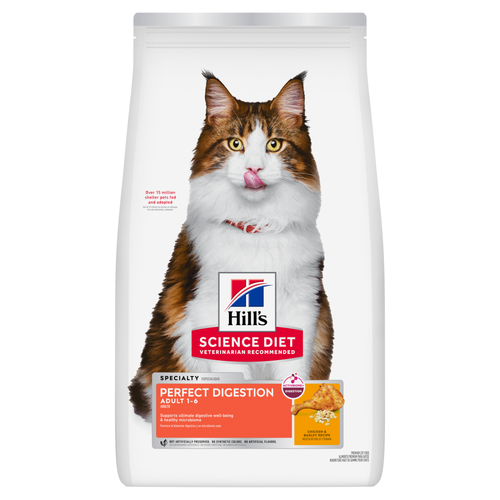
Perfect Digestion Adult Chicken & Barley Recipe Dry Cat Food
Hill's Science Diet's breakthrough nutrition supports ultimate digestive well-being & healthy microbiome
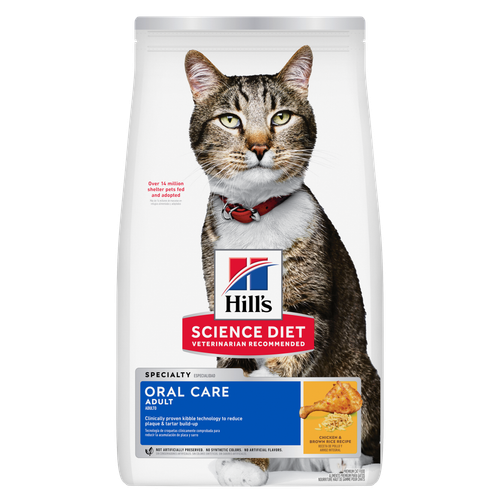
Adult Oral Care Chicken & Brown Rice Recipe Cat Food
Clinically proven kibble technology to reduce plaque & tartar build-up

Kitten Healthy Cuisine Tender Chicken & Rice Medley
Delicious tender chicken and rice in a mouthwatering sauce with precisely balanced nutrition to support 5 essential building blocks for lifelong health

Adult Healthy Cuisine Roasted Chicken & Rice Medley Cat Food
Delicious roasted chicken and rice in a mouthwatering sauce
Related articles

Brushing & Food: Keys to Maintaining Your Cat's Oral Health
Get helpful information on proper feline oral healthcare and why it's so vital to take care of your cat's teeth.
Cats with Sensitive Skin: Looking Beneath the Fur
Provide the best possible treatment for cats with sensitive skin by spotting the signs, knowing the causes, and understanding the remedies. Learn more now.
Weight Management
Obesity affects more than 30 percent of cats in America. Learn how you can properly feed and exercise your cat to improve its weight management.
Belly Upset: Soothing Your Cat's Sensitive Stomach
Understand the symptoms of a chronic upset stomach in your cat, and learn how to help sooth their discomfort.

Put your cat on a diet without them knowing
Our low calorie formula helps you control your cat's weight. It's packed with high-quality protein for building lean muscles, and made with purposeful ingredients for a flavorful, nutritious meal. Clinically proven antioxidants, Vitamin C+E, help promote a healthy immune system.
Put your cat on a diet without them knowing
Our low calorie formula helps you control your cat's weight. It's packed with high-quality protein for building lean muscles, and made with purposeful ingredients for a flavorful, nutritious meal. Clinically proven antioxidants, Vitamin C+E, help promote a healthy immune system.