


Are you worried because your dog isn't pooping or peeing?
Dog constipation and the inability for a dog to pee can be serious issues. So, what should a pet parent do? Here's some basic information that may explain what may be going on in your pup's body. With these facts in hand, you can help your veterinarian find the root of the issue.
When Is It a Problem?
First, determine if your dog really has an issue. As a starting point: dogs typically produce stools once or twice a day.
The American Kennel Club (AKC) lists the signs of a constipated dog. They include:
- A few days in between defecation
- Pebble-like, hard, dry stools
- Tenesmus, which is where your dog strains with little or no result. Or he produces small amounts of liquid fecal matter mixed with blood.
- Painful or difficult defecation, also known as dyschezia


Tasty Tips
What Causes Constipation?
There are many underlying causes of constipation. Some causes are easy to fix, like modifying his meals to include more fiber-rich ingredients. But constipation can also be a sign of a larger issue, such as a tumor in the colon or rectum or a bowel obstruction. Vets can often tell what the problem is based upon where the problem occurs along the digestive tract.
Along with food, the AKC identifies other common issues associated with constipation in dogs:
- Aging
- Activity level
- Digestive tract tumors
- Other tumors
- Anal gland issues
- Prostate enlargement
- Dehydration or electrolyte imbalances
- Drugs
- Metabolic diseases
- Spinal diseases and injuries
- Central nervous system disorders
- Stress and psychological problems
- Orthopedic disorders
- Post-surgical issues
- Other digestive track obstructions such as foreign objects that were ingested
If your dog is constipated and it's only been a brief time between stools, there are some potential solutions you can try at home. For example, add canned dog food to your dog's meal plan. The high moisture content in wet food may help move things along. Exercising your dog more often may help, and so can making sure he has plenty of water to drink.

If the constipation lasts more than a few days, consult a vet to make sure the issue isn't the result of an underlying medical problem. Make sure to tell the vet the last time the dog pooped, the consistency of the stool, his diet, and any other signs of an issue. For things like bowel obstruction, a procedure may need to be performed to remove any blockage.
Lifting a Leg
What about a dog that won't pee?
A typical healthy adult dog should pee three to five times a day. A younger dog or an older dog might have to pee more often.
A dog that won't pee is just as serious as a dog not pooping. He could be experiencing any number of critical health issues. If your dog is truly unable to pee, the inability for the bladder to remove toxins from the body could quickly become fatal.
The AKC notes typical causes for problems urinating include:
- Infection
- Urinary stones
- Tumors
- Kidney disease
- Spinal injury
It should also be noted that environmental stressors could be behind why a dog might not be peeing. A dog that's uncomfortable with his surroundings — like a recently adopted dog, for instance — might not pee for what seems like a long period of time. That alone is not a reason to be concerned about your pup's health. Just give him lots of chances to go and he'll eventually become comfortable.
Your dog and your vet rely on you to recognize a potential health problem. That's why it's important to pay attention to any changes in your dog's typical behavior and his bathroom breaks. While it is not always comfortable to watch your little buddy do his business, it is often one of the most notable signs of a dog's overall health. So, if you see changes to his behavior when relieving himself or defecating, or changes in the consistency of them while doing so, there is never any harm in contacting your vet to see if an appointment needs to be scheduled.

Related products

Adult Light Large Breed Chicken Meal & Barley Recipe Dog Food
Fewer calories for less active large breed dogs
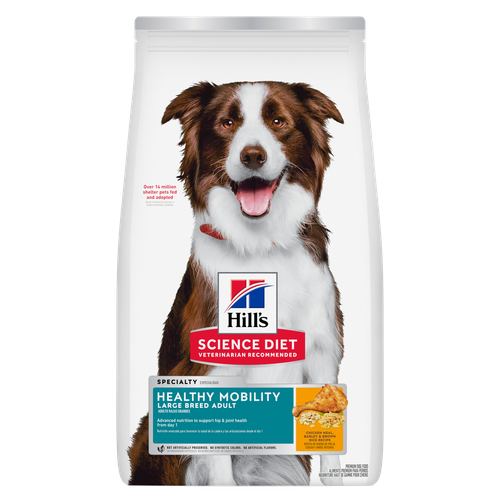
Hill's Science Diet Adult Healthy Mobility Large Breed Chicken Meal, Barley & Brown Rice Recipe Dog Food
Advanced nutrition shown to support joint health and improve mobility

Adult Large Breed Chicken & Barley Recipe Dog Food
Supports healthy joints, lean muscle, and beautiful coat for large breed dogs

Adult Light Chicken Meal & Barley Recipe Dog Food
Fewer calories for less active dogs
Related articles
Keeping Your Dog From Begging at the Dinner Table
Learn how to stop your dog from begging at the dinner table, and understand how it can help contribute to his health.
Exercise Tips to Keep Your Dog Active
A little exercise can make a big difference. Not only will it enhance your pet’s health, but it will beef up your relationship as well.
Helpful Tips for Exercising with Your Dog
Though it may seem like your four-legged friend loves nothing more than to nap on the couch, dogs need regular exercise to stay healthy just like people do.
What to Look For in Food for a Mature Dog
Learn about choosing the right dog food to help ensure your mature older dog will receive the correct balance of nutrition.

Put your dog on a diet without them knowing
Our low calorie formula helps you control your dog's weight. It's packed with high-quality protein for building lean muscles, and made with purposeful ingredients for a flavorful, nutritious meal. Clinically proven antioxidants, Vitamin C+E, help promote a healthy immune system.
Put your dog on a diet without them knowing
Our low calorie formula helps you control your dog's weight. It's packed with high-quality protein for building lean muscles, and made with purposeful ingredients for a flavorful, nutritious meal. Clinically proven antioxidants, Vitamin C+E, help promote a healthy immune system.