


Watching your dog scratch, lick, and show signs of skin discomfort can be heartbreaking for any pet parent. If you're one of the many Australian dog owners dealing with skin sensitivities in your companion, you're not alone.
While sensitivities can stem from various sources, nutrition plays a supportive role in maintaining healthy skin and may help manage of skin sensitivities as part of a comprehensive care approach. With the right nutritional strategy and working alongside your veterinarian, you can help support your dog's skin and overall health.
Understanding the connection between their diet and how their skin responds is the first step towards providing the best possible care for your dog.
Understanding Dog Skin Sensitivities
Dog skin sensitivities can arise from multiple sources, and identifying the root cause often requires detective work alongside your veterinarian. Environmental factors such as pollen, dust mites, mould spores, and seasonal changes frequently trigger skin reactions in sensitive dogs. These environmental sensitivities tend to worsen during specific times of the year with seasonal shifts, particularly during spring and summer months in Australia.
Food sensitivities represent another significant category of skin triggers. Unlike environmental factors, food related skin reactions typically persist year-round and may develop gradually over time. Contact irritants such as certain shampoos, cleaning products, or synthetic materials can also be the culprit causing localised skin reactions in some dogs.
Recognising the signs of skin sensitivities helps you respond promptly and seek appropriate veterinary guidance. Common symptoms to look out for include persistent scratching, excessive licking or chewing of paws, red or inflamed skin, hot spots, hair loss, and changes in coat quality or texture. Some dogs may also develop a distinct odour or show behavioural changes due to their discomfort.
Your dog's skin serves as their body's largest organ and primary barrier against external irritants. When this barrier becomes compromised, it can lead to a cycle of irritation and inflammation. Feeding the right nutrition will help provide the building blocks necessary to support skin barrier function and help to maintain their natural defences against environmental irritants.

The Role of Nutrition in Skin Health
Nutrition forms the foundation of healthy skin function in dogs, just as it does in humans. Your dog's skin constantly regenerates itself, requiring a steady supply of high-quality nutrients to maintain its protective barrier. When dogs receive optimal nutrition, their skin becomes better equipped to handle environmental stressors and maintain its natural balance.
The skin barrier consists of multiple layers that work together to keep moisture in and irritants out. This complex system relies heavily on specific nutrients to function properly. Proteins provide the structural components for skin cells. Vitamins and minerals act as co-factors in numerous skin repair and maintenance processes.
Omega-3 and omega-6 fatty acids play particularly important roles in skin health. Omega-3 fatty acids, found in fish oil and certain plant sources, possess anti-inflammatory properties that can help reduce skin irritation and support the healing process. Omega-6 fatty acids contribute to skin barrier function and will help maintain coat quality and shine.
High quality proteins supply the amino acids necessary for skin cell production and repair. Dogs require specific amino acids that their bodies cannot produce independently, making dietary protein quality particularly important for dogs with sensitive skin. Proteins that provide all essential amino acids in proper proportions support optimal skin function.
Antioxidants such as vitamins E and C also help protect skin cells from oxidative damage caused from environmental stressors. These nutrients work synergistically to support the immune system and may help reduce inflammatory responses that contribute to skin sensitivity.
Nutritional Strategies for Sensitive Skin
When supporting a dog with skin sensitivities through nutrition, several strategic approaches can prove beneficial as part of your comprehensive care plan. Nutrition specially formulated to avoid common allergens often serve as the cornerstone of nutritional support for sensitive dogs.
Limited ingredient recipes reduce the number of potential triggers by focusing on a minimal number of carefully selected ingredients. These foods typically contain a single animal protein source and limited carbohydrate sources, making it easier to identify and avoid ingredients that commonly trigger allergies. Novel protein foods are made with protein sources which the dog has not previously been exposed to.
Hydrolysed proteins are proteins which have been broken down into smaller components into smaller components that are less likely to trigger immune responses. The resulting proteins are so small that the immune system typically doesn't recognise them as potential allergens, making hydrolysed protein foods suitable for dogs with multiple food sensitivities.
Working with your veterinarian to implement an elimination approach can help identify specific food triggers. This systematic process involves feeding a limited ingredient or hydrolysed protein food for a specific period while monitoring your dog's skin response. Your veterinarian can guide you through this process and help interpret the results.
When transitioning to supportive nutrition, patience and gradual change are key. Most veterinarians recommend a 7–10-day transition period, gradually mixing increasing amounts of the new food with decreasing amounts of the current food. This approach helps prevent digestive upset while allowing your dog's system to adjust to the new nutrition.
During the transition and adjustment period, maintain detailed records of your dog's skin condition, scratching frequency, and overall comfort level. This information helps your veterinarian assess the effectiveness of the nutritional approach and make necessary adjustments.



Tasty Tips
Identifying and Avoiding Problematic Ingredients
Understanding common food sensitivities in dogs will help you make informed nutritional choices. Beef, chicken, dairy products, non hydrolysed soy rank among the most frequently reported food sensitivities in dogs. However, it's important to remember that any protein can potentially trigger a reaction in susceptible individuals.
Artificial additives, such as certain preservatives and food dyes may also contribute to skin sensitivities in some dogs. These synthetic ingredients serve various purposes in commercial dog foods but aren't nutritionally necessary and may cause reactions in sensitive individuals.
Reading dog food labels effectively requires understanding ingredient lists and recognising potential hidden sources of problematic ingredients. Ingredients are listed in descending order by weight, so the first few ingredients make up the majority of the food.
Alternative ingredient options can provide excellent nutrition while avoiding common triggers. Novel proteins such as egg, or fish offer complete amino acid profiles without exposing dogs to proteins they may have encountered previously. Alternative carbohydrate sources like corn starch or rice provide energy and nutrients while avoiding common grain sensitivities.
Supporting Your Dog's Skin Health Journey
Managing skin sensitivities in dogs requires patience, consistency, and professional guidance. Nutrition plays a supportive role in this comprehensive approach, working alongside other management strategies your veterinarian may recommend.
Maintain open communication with your veterinary team throughout your dog's skin health journey. They can help monitor progress, adjust nutritional strategies as needed, and ensure your dog receives comprehensive care for optimal comfort and wellbeing.
Remember that improvements in skin condition often take time to become apparent. Most veterinarians recommend allowing 6-8 weeks to fully assess the effectiveness of nutritional changes, as skin cell regeneration is a gradual process.
Keep detailed records of your dog's skin condition, including photographs if possible, to help track progress over time. Note any changes in scratching frequency, skin appearance, coat quality, and overall comfort level.
For personalised guidance on supporting your dog's skin health through nutrition, consider consulting with your veterinary team. They can help you develop a comprehensive approach tailored to your dog's specific needs and circumstances.
With the right nutritional support as part of a complete care plan, many dogs with skin sensitivities can enjoy improved comfort and quality of life, allowing them to focus on what they love most—spending time with their favourite humans.

Related products
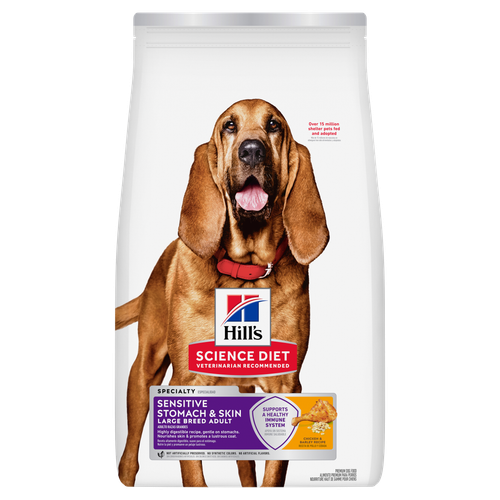
Adult Sensitive Stomach & Skin Large Breed Chicken & Barley Recipe Dog Food
Hill's Science Diet Sensitive Stomach & Skin Large Breed dry dog food is gentle on stomachs while nourishing skin & promoting a lustrous coat. In a delicious large bite size for large breed dogs.
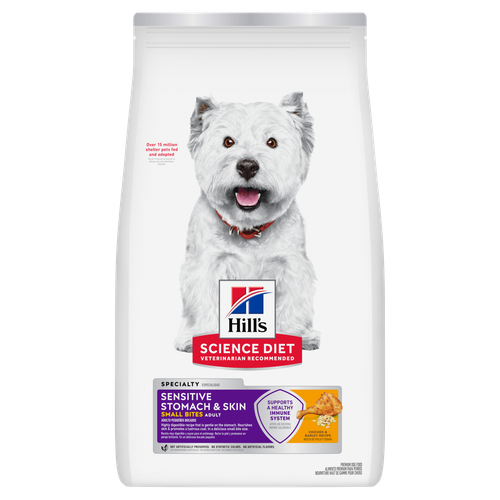
Sensitive Stomach & Skin Adult Small Bites Chicken & Barley Recipe Dry Dog Food
Hill's Science Diet Sensitive Stomach & Skin dry dog food is gentle on stomachs while nourishing skin & promoting a lustrous coat. In a delicious small bite size
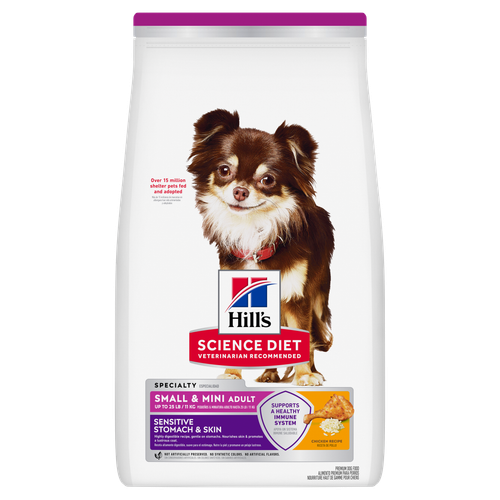
Adult Sensitive Stomach & Skin Small & Mini Chicken Recipe Dog Food
Hill's Science Diet Sensitive Stomach & Skin Small & Mini dry dog food is tailored nutrition for Small & Mini dogs while being gentle on stomachs. Nourishes skin & promotes a lustrous coat.
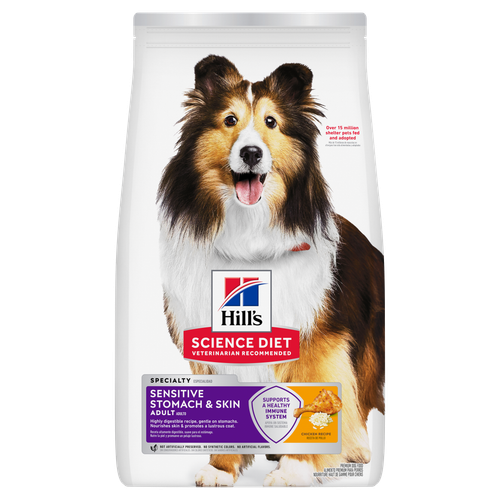
Adult Sensitive Stomach & Skin Chicken Recipe Dog Food
Hill's Science Diet Sensitive Stomach & Skin dry dog food is gentle on stomachs while nourishing skin & promoting a lustrous coat.
Related articles

Helpful Tips for Exercising with Your Dog
Though it may seem like your four-legged friend loves nothing more than to nap on the couch, dogs need regular exercise to stay healthy just like people do.

Keeping Your Dog From Begging at the Dinner Table
Learn how to stop your dog from begging at the dinner table, and understand how it can help contribute to his health.

What to Look For in Food for a Mature Dog
Learn about choosing the right dog food to help ensure your mature older dog will receive the correct balance of nutrition.

Exercise Tips to Keep Your Dog Active
A little exercise can make a big difference. Not only will it enhance your pet’s health, but it will beef up your relationship as well.

Put your dog on a diet without them knowing
Our low calorie formula helps you control your dog's weight. It's packed with high-quality protein for building lean muscles, and made with purposeful ingredients for a flavorful, nutritious meal. Clinically proven antioxidants, Vitamin C+E, help promote a healthy immune system.
Put your dog on a diet without them knowing
Our low calorie formula helps you control your dog's weight. It's packed with high-quality protein for building lean muscles, and made with purposeful ingredients for a flavorful, nutritious meal. Clinically proven antioxidants, Vitamin C+E, help promote a healthy immune system.