


If your dog spends a lot of time outdoors, he's at high risk of picking up ticks–those multi-legged, disease-carrying parasites that like to hide in the fur and attach themselves to the skin. Learning proper tick removal and ways of preventing ticks in the first place are crucial for stopping the spread of disease not only to your dog but to yourself and your family.
Dangers of Ticks
Although such a tiny insect might seem harmless at first glance, the American Kennel Club Canine Health Foundation (AKCCHF) estimates that thousands of dogs are infected each year with tick-borne diseases, such as Lyme disease, canine ehrlichiosis, canine anaplasmosis, and Rocky Mountain spotted fever, some of which are transmissible to humans. Tick bites can also become infected and cause soreness and parasitic dermatitis, especially when the tick hasn't been properly removed. Although field dogs, outdoor dogs, and dogs that spend a lot of time in wooded areas are the most at risk, all dogs could potentially come into contact with ticks at some point, so regular tick checks are a good habit for all dog parents to acquire.
Keep an eye on your dog. If you notice that he is scratching or chewing at a particular spot on his body, he might have picked up a tick, and it is a good idea to check the spot where he is itching. For dogs with lots of hair, special combs can come in handy to comb the hair away for you to more easily inspect. A second person to help in this situation can come in handy too.


Tasty Tips
Tick Removal
If possible, especially if it's your first time dealing with tick removal, the AKCCHF recommends taking your dog to a veterinarian or a vet technician to ensure it's done properly and avoid infection. If you decide to remove the tick yourself, PetMD advises wearing disposable gloves and using tweezers to handle the tick–never let it come into contact with your skin. Using the tweezers, grasp it as close to the head as possible and pull straight out without twisting or squeezing the body.
Once it's out, put the tick in a small container of rubbing alcohol to kill it. Be sure that the head is still attached to the body. If you suspect that the head is still embedded in your dog's skin, you should consult your vet and keep an eye on it for infection. Treat the bite area by cleaning and disinfecting it.

Afterward, keep a watchful eye on your dog for any signs of illness. Signs and symptoms of tick-borne illnesses may take anywhere from seven to twenty-one or more days to appear, according to the Centers for Disease Control. Symptoms vary from illness to illness, so if you notice anything unusual about your dog during this time, be sure to contact your vet right away.
If you do find a tick hiding on your dog somewhere be sure to check yourself as well as the rest of your family for additional parasites as well. This will help keep your family from getting any diseases, as well as the parasite jumping hosts and getting back onto your dog.
Preventing Ticks
Of course, prevention is the best medicine. Treat your yard for ticks and other insects, and trim bushes and other tick-friendly habitats. Get into the habit of checking your pup for ticks after every outdoor excursion, and ask your vet to do a tick check at every exam. Tick prevention for your dog is available in several forms, including sprays and powders, shampoos and dips, collars, oral pills, and topical treatments. Dogs tend to have varied reactions to chemical treatments, so discuss with your vet which methods are best for your dog.
Ticks are definitely something to take seriously, but don't let their seriousness alarm you. By following these prevention guidelines and keeping a diligent eye out for these parasites on your dog, you'll go a long way toward mitigating the health risk that these parasites pose to your dog and your family.

Related products
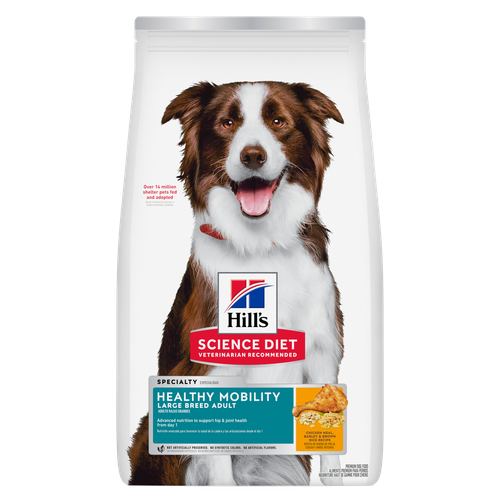
Hill's Science Diet Adult Healthy Mobility Large Breed Chicken Meal, Barley & Brown Rice Recipe Dog Food
Advanced nutrition shown to support joint health and improve mobility

Adult Large Breed Chicken & Barley Recipe Dog Food
Supports healthy joints, lean muscle, and beautiful coat for large breed dogs

Adult Light Chicken Meal & Barley Recipe Dog Food
Fewer calories for less active dogs

Adult Light Large Breed Chicken Meal & Barley Recipe Dog Food
Fewer calories for less active large breed dogs
Related articles

What to Look For in Food for a Mature Dog
Learn about choosing the right dog food to help ensure your mature older dog will receive the correct balance of nutrition.

Helpful Tips for Exercising with Your Dog
Though it may seem like your four-legged friend loves nothing more than to nap on the couch, dogs need regular exercise to stay healthy just like people do.

Keeping Your Dog From Begging at the Dinner Table
Learn how to stop your dog from begging at the dinner table, and understand how it can help contribute to his health.
Exercise Tips to Keep Your Dog Active
A little exercise can make a big difference. Not only will it enhance your pet’s health, but it will beef up your relationship as well.

Put your dog on a diet without them knowing
Our low calorie formula helps you control your dog's weight. It's packed with high-quality protein for building lean muscles, and made with purposeful ingredients for a flavorful, nutritious meal. Clinically proven antioxidants, Vitamin C+E, help promote a healthy immune system.
Put your dog on a diet without them knowing
Our low calorie formula helps you control your dog's weight. It's packed with high-quality protein for building lean muscles, and made with purposeful ingredients for a flavorful, nutritious meal. Clinically proven antioxidants, Vitamin C+E, help promote a healthy immune system.