


Can dogs eat almond butter and other almond-based treats? Almonds pack so much nutrition that they're considered a superfood for humans — but is the same true for dogs? Before you toss an almond to your pup for a treat, read on to learn important facts about dogs and almonds.
Can Dogs Eat Almonds?

Almonds are not considered a safe food for dogs. Although almonds aren't actually toxic to dogs, like macadamias and other nut varieties, they do pose a number of risks to your dog's health, says American Kennel Club (AKC). Here's how the consumption of almonds could potentially affect your dog:
Gastrointestinal distress: Dogs can't properly digest almonds. While consuming one or two might not cause any issues, too many can lead to vomiting, diarrhoea, gas, lethargy and appetite loss.
Pancreatitis: Almonds are high in fat content. While the occasional almond is unlikely to have much of an effect on your dog, too many can contribute to weight gain and cause your dog's pancreas to become inflamed, a serious condition that can severely impact your dog's health, says AKC.
Additional risks with seasoned almonds: Salt and other seasonings used on almonds prepared for human consumption can have adverse effects on your dog's health. Garlic and onion powder, for example, are both toxic to dogs.
Can dogs eat almonds in other forms? Certain processed almond products, like almond flour, which is finely ground almonds, and almond protein powder carry most of the same risks as whole almonds. Other almond-based treats, like almond bark, granola bars and baked goods containing almonds, might also contain ingredients like chocolate, raisins or artificial sweeteners that are toxic to dogs. But what about other types of almond products, like almond butter or almond milk?


Tasty Tips
Can Dogs Eat Almond Butter?
Processing almonds into almond butter increases the bioavailability of nutrients and makes them easier for dogs to digest, says Organic Facts. This means you're less likely to encounter any GI issues when feeding your pooch almond butter. However, other risk factors still persist. Too much almond butter, much like many other human foods, can still lead to pancreatitis. Also, many kinds of almond butter contain salt and artificial sweeteners like xylitol, which is toxic to dogs. If your dog accidentally laps up a lick of almond butter, they're likely not at risk. A better treat might be to give your dog natural peanut butter, which is considered safe and healthy for dogs in moderation. However, it should also be mentioned that natural peanut butter is high in fat content and has its own inherent health risks, so always check with your veterinarian before feeding food not specifically formulated for dogs. And always do so in moderation, as treats should never account for more than ten percent of their daily caloric content.
Can Dogs Drink Almond Milk?
Almond milk is often processed and high in sugars and preservatives, says Blackmores. As with almond butter, almond milk isn't likely to upset your dog's GI tract so some unsweetened, unflavoured almond milk won't hurt them. However, dogs don't receive any nutritional benefit from almond milk, so you'll be giving them empty calories. And flavoured, sweetened almond milk might contain — you guessed it — artificial sweeteners and other harmful ingredients. So overall, it's best to avoid giving your dog almond milk.
What to Do if Your Dog Eats Almonds
In most cases, one or two almonds or an illicit bite of almond butter is unlikely to harm your dog. Still, if your dog does consume almonds, keep a close eye on them and call your veterinarian if you notice signs of GI trouble. If your dog consumes more than a few almonds or an almond product containing other toxic ingredients, including other kinds of nuts, contact an emergency vet or a pet poison helpline right away to find out how to help your pup.
If you have any doubts or concerns about your dog's health after they've consumed almonds, it's always best to give your vet a call.

Related products

Adult Light Large Breed Chicken Meal & Barley Recipe Dog Food
Fewer calories for less active large breed dogs

Adult Light Chicken Meal & Barley Recipe Dog Food
Fewer calories for less active dogs

Adult Large Breed Chicken & Barley Recipe Dog Food
Supports healthy joints, lean muscle, and beautiful coat for large breed dogs
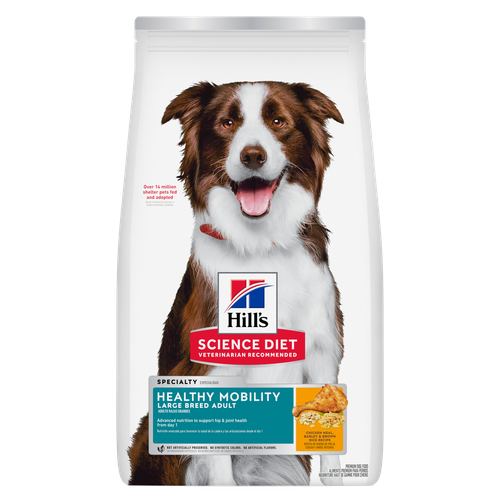
Hill's Science Diet Adult Healthy Mobility Large Breed Chicken Meal, Barley & Brown Rice Recipe Dog Food
Advanced nutrition shown to support joint health and improve mobility
Related articles

Keeping Your Dog From Begging at the Dinner Table
Learn how to stop your dog from begging at the dinner table, and understand how it can help contribute to his health.
Exercise Tips to Keep Your Dog Active
A little exercise can make a big difference. Not only will it enhance your pet’s health, but it will beef up your relationship as well.

Helpful Tips for Exercising with Your Dog
Though it may seem like your four-legged friend loves nothing more than to nap on the couch, dogs need regular exercise to stay healthy just like people do.

What to Look For in Food for a Mature Dog
Learn about choosing the right dog food to help ensure your mature older dog will receive the correct balance of nutrition.

Put your dog on a diet without them knowing
Our low calorie formula helps you control your dog's weight. It's packed with high-quality protein for building lean muscles, and made with purposeful ingredients for a flavorful, nutritious meal. Clinically proven antioxidants, Vitamin C+E, help promote a healthy immune system.
Put your dog on a diet without them knowing
Our low calorie formula helps you control your dog's weight. It's packed with high-quality protein for building lean muscles, and made with purposeful ingredients for a flavorful, nutritious meal. Clinically proven antioxidants, Vitamin C+E, help promote a healthy immune system.