


Before sharing your veggie tray with your pup, you may wonder if dogs can eat broccoli and if it is good for dogs?"
The short answer is yes: broccoli is a safe, tasty treat for our canine friends. It may even have some health benefits. But there are a few things you'll want to consider when serving this vegetable to your pup.
Is Broccoli Good for Dogs?
It's hailed as a superfood for humans because of its high nutritional value, but broccoli may benefit dogs in a number of ways, too.
It's chock-full of fiber, which can aid in digestion and weight management. And it's loaded with vitamins — including A, B, C, D, E and K — that may help promote overall well-being. Broccoli also contains lutein, a nutrient that supports eye and heart health, and other antioxidants that curb inflammation.
While dogs are omnivores, vegetables like broccoli can be a healthy addition to their meal plan. However, cruciferous vegetables have a reputation for causing gas, so it might make your pup a bit gassy.


Tasty Tips
What Are the Concerns?
Speaking of gas, this side effect of eating broccoli may be a cause for concern. Excessive gas may indicate that your dog has a digestive issue. So if you're feeding your pup broccoli for the first time and the resulting smell becomes downright unbearable, give your veterinarian a call to rule out anything more serious.
Additionally, here are three other concerns to bear in mind when giving your dog broccoli:
1. Portion Control
The saying too much of a good thing also applies to broccoli. Although it's OK for dogs to eat, consuming too much broccoli may cause your pet gastrointestinal distress, according to The World Small Animal Veterinary Association. They explain that this veggie should make up no more than 10% of your pup's daily meals in order to avoid any health complications. Broccoli contains isothiocyanate, a naturally occurring compound that along with fiber and complex sugars can cause mild to extreme digestive distress, including gas, stomach upset, diarrhea and blockages.

You'll also want to keep an eye on your dog's vitamin C intake. "While humans require vitamin C from (their) diet, the bodies of cats and dogs can make their own," explained the Cummings School of Veterinary Medicine at Tufts University.
2. Choking Hazard
Broccoli stems are edible, but they pose a high choking risk to dogs. According to the American Kennel Club, broccoli stems "have been known to cause obstruction in the esophagus, especially in small dogs."
To prevent choking, cut broccoli into bite-size pieces before sharing it with your dog. Additionally, you may want to stay close by while they're enjoying their snack to keep an ear out for any signs of distress.
3. Harmful Bacteria
Broccoli is versatile and can be served steamed, boiled, baked or raw. However, if you serve it to your dog raw, be sure to clean it thoroughly because of an increased risk of lingering bacteria such as Salmonella. "Although dogs and cats may be more resistant to these bacteria [than humans], they are not immune and can become very ill," according to the Association of American Feed Control Officials.
Symptoms of Salmonella infection in dogs include:
- Vomiting
- Fever
- Dehydration
- Loss of appetite
- Increased heart rate
- Lethargy
If your dog exhibits any of these symptoms after eating broccoli, stop feeding broccoli and contact your vet right away for treatment options.
So, can dogs eat broccoli? Absolutely, so long as it's in moderation. Broccoli should be regarded as a nutritious snack — not a meal. Offer this veggie alongside a well-balanced dog food formulated for your pet's specific nutritional needs.

Related products
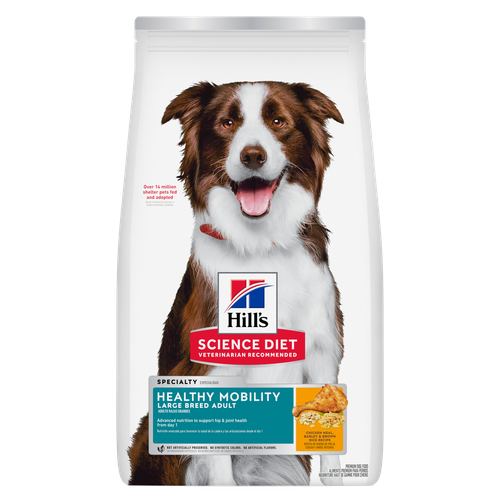
Hill's Science Diet Adult Healthy Mobility Large Breed Chicken Meal, Barley & Brown Rice Recipe Dog Food
Advanced nutrition shown to support joint health and improve mobility

Adult Light Large Breed Chicken Meal & Barley Recipe Dog Food
Fewer calories for less active large breed dogs

Adult Large Breed Chicken & Barley Recipe Dog Food
Supports healthy joints, lean muscle, and beautiful coat for large breed dogs

Adult Light Chicken Meal & Barley Recipe Dog Food
Fewer calories for less active dogs
Related articles
Exercise Tips to Keep Your Dog Active
A little exercise can make a big difference. Not only will it enhance your pet’s health, but it will beef up your relationship as well.

Helpful Tips for Exercising with Your Dog
Though it may seem like your four-legged friend loves nothing more than to nap on the couch, dogs need regular exercise to stay healthy just like people do.

What to Look For in Food for a Mature Dog
Learn about choosing the right dog food to help ensure your mature older dog will receive the correct balance of nutrition.

Keeping Your Dog From Begging at the Dinner Table
Learn how to stop your dog from begging at the dinner table, and understand how it can help contribute to his health.

Put your dog on a diet without them knowing
Our low calorie formula helps you control your dog's weight. It's packed with high-quality protein for building lean muscles, and made with purposeful ingredients for a flavorful, nutritious meal. Clinically proven antioxidants, Vitamin C+E, help promote a healthy immune system.
Put your dog on a diet without them knowing
Our low calorie formula helps you control your dog's weight. It's packed with high-quality protein for building lean muscles, and made with purposeful ingredients for a flavorful, nutritious meal. Clinically proven antioxidants, Vitamin C+E, help promote a healthy immune system.