


Can dogs eat watermelon? It's a delicious picnic staple, sure, but is watermelon safe for dogs? If you enjoy this juicy treat but have stopped short of sharing it with your pooch, for fear that it might not be good for them, your instincts were partially correct. Watermelon can actually be a healthy dog treat — if it's fed to them correctly.
Can Dogs Eat Watermelon?
 The fleshy pink fruit of a watermelon is loaded with healthy nutrients that are as beneficial for humans as they are for our canine companions.
Watermelon is rich in potassium and vitamin C, and it's also a great source of vitamins A and B6, according to Dogtime. It's also high in fiber, which can aid healthy digestion. Watermelon is high in sugar but doesn't cause unhealthy spikes in blood sugar, as its fiber content helps dogs absorb the sugar slowly into their bloodstream.
This fruit doesn't contain sodium, fat or cholesterol. And it's 92% water, which makes it both a sweet treat and a creative way to help your dog stay cool and hydrated during the summer.


Tasty Tips
Is Watermelon Safe for Dogs?
The flesh of a watermelon is a safe and nutritious treat for dogs, but the other parts of the fruit aren't all right for your pooch to eat. According to the American Kennel Club, if dogs swallow watermelon seeds, the seeds can cause an intestinal blockage — which is not only painful for your dog but could become serious enough to require surgery to correct.
While a seed or two is unlikely to cause health problems for large dogs, it doesn't take many of them to cause a blockage in small dogs.
It's also unwise to give your dog the rind — the hard green outer skin of a watermelon — as ingesting it can cause gastrointestinal distress that triggers vomiting or diarrhea. And while the fruit of the watermelon is a healthy snack in small quantities, eating too much of it could also give your dog an upset tummy, thanks to its high fiber content.
How to Feed Your Dog Watermelon (& What to Avoid)
 So how should you share this treat with your canine companion? Here are a few guidelines to follow when feeding watermelon to your dog:
- Only give your dog seedless watermelon or pieces of watermelon from which you've removed all of the seeds.
- Scoop out the fruit with a melon baller or cut it into small bites, being careful to remove any part of the rind.
- Only give your dog real watermelon. Artificially flavoured watermelon treats or sweets might contain other ingredients, added sugars or artificial sweeteners that could harm your pup.
Treats of any kind should make up no more than 10% of your dog's daily calorie intake, according to recommendations from Preventive Vet. Whatever the size of your dog, follow this rule when determining how much watermelon you should feed them, keeping in mind that one cup of diced watermelon contains 45.6 calories. And keep in mind that while your dog might be looking up at you with those big puppy-dog eyes, dogs are perfectly content eating their same dog food day-in and day-out. So, while you may be tempted to give-in on occasion, your dog is better off getting their nutrients from their every day pet food. And before feeding your dog any human food, make sure to double-check with your veterinarian to make sure that it is okay. While watermelon can be a healthy treat for many dogs, it's best to confirm that it won't negatively effect your dog's unique digestive system.
So the next time you're at a picnic, you can rest easy sharing a few bites of seedless watermelon with your dog. As long as it's given safely and in moderation, watermelon as a dog treat is hard to beat.

Related products

Adult Light Chicken Meal & Barley Recipe Dog Food
Fewer calories for less active dogs
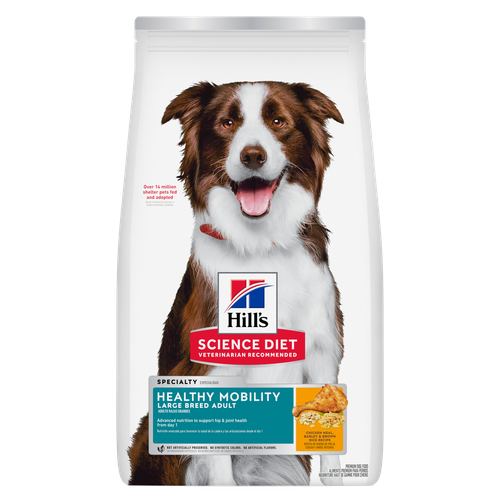
Hill's Science Diet Adult Healthy Mobility Large Breed Chicken Meal, Barley & Brown Rice Recipe Dog Food
Advanced nutrition shown to support joint health and improve mobility

Adult Large Breed Chicken & Barley Recipe Dog Food
Supports healthy joints, lean muscle, and beautiful coat for large breed dogs

Adult Light Large Breed Chicken Meal & Barley Recipe Dog Food
Fewer calories for less active large breed dogs
Related articles

Keeping Your Dog From Begging at the Dinner Table
Learn how to stop your dog from begging at the dinner table, and understand how it can help contribute to his health.

Exercise Tips to Keep Your Dog Active
A little exercise can make a big difference. Not only will it enhance your pet’s health, but it will beef up your relationship as well.

Helpful Tips for Exercising with Your Dog
Though it may seem like your four-legged friend loves nothing more than to nap on the couch, dogs need regular exercise to stay healthy just like people do.

What to Look For in Food for a Mature Dog
Learn about choosing the right dog food to help ensure your mature older dog will receive the correct balance of nutrition.

Put your dog on a diet without them knowing
Our low calorie formula helps you control your dog's weight. It's packed with high-quality protein for building lean muscles, and made with purposeful ingredients for a flavorful, nutritious meal. Clinically proven antioxidants, Vitamin C+E, help promote a healthy immune system.
Put your dog on a diet without them knowing
Our low calorie formula helps you control your dog's weight. It's packed with high-quality protein for building lean muscles, and made with purposeful ingredients for a flavorful, nutritious meal. Clinically proven antioxidants, Vitamin C+E, help promote a healthy immune system.