


Does dog food taste really matter, or should you only be concerned about nutrition? Actually, both matter when it comes to feeding your pooch. Assessing nutrition can be done by checking the label, but checking the taste of dog food luckily doesn't require you to grab a spoon yourself! Here's how you can figure out what dogs really want at dinnertime.
Taste Differences in Wet and Dry Dog Food
Dogs have one-sixth as many taste buds as humans, PetMD says. So even though they are able to experience bitter, salt, sweet, and sour, the smell and the texture of what they're eating are mostly the determining factors of their excitement about what's on the menu.
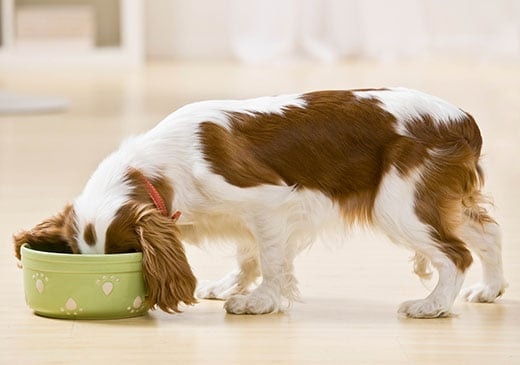
There are two textures of dog food out there: wet and dry. For pet parents, there are benefits to both types. Wet foods give your dog more hydration, which is helpful for dogs that don't drink as much water as they should or dogs that live in hot climates. Wet food is also good for older dogs because it's easier to chew. Dry foods are generally a better option for dogs that like to graze all day long.
But what does your pup think? Wet food is more potent in taste, so he may be more drawn to the smell and taste of meat like beef. Others pups may be turned away from food that has a strong smell and gravitated towards something lighter, like a chicken and vegetable dish.
In order to determine which flavors your dog likes best, try to get free samples from your vet or local pet store or buy single cans. Once you find a few foods that meet your dog's needs and make his taste buds happy, consider implementing a nutrition routine–his favorite wet food in the morning and dry food at night, for example. Whichever food routine you choose, it is important to stick to feeding your pup a similar regimen even while trying out new foods so as to not upset his digestive system as transitioning foods improperly can lead to problems.


Tasty Tips
Ultimately your dog will tell you whether or not a food is good tasting. Like humans, some dogs are more finicky eaters and will choose to not eat a certain food that they don't find appetizing. This is where a couple of different flavors of the same nutritious food can come in hand, as you determine which he prefers. If you put down a new food and he doesn't eat it right away, don't take that as a necessary sign that he doesn't like the taste. It may just take him a couple of meals before he understands that this is his new regimine and he'll go back to devouring his food as he used too.
One More Bite
Finally, remember to always store wet and dry food properly, clean dog dishes after every use, and pay close attention to your pup's reactions to various smells. Always evaluate the dog food label for the nutrients your dog requires. Through a proper meal routine and careful attention to your dog's preferences, you can find food that he loves to eat and keeps him healthy for years to come.

Related products
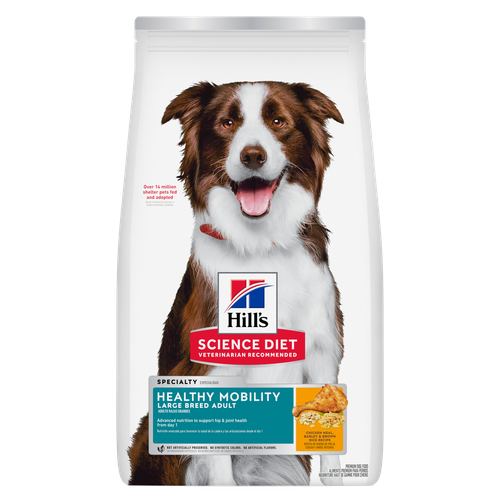
Hill's Science Diet Adult Healthy Mobility Large Breed Chicken Meal, Barley & Brown Rice Recipe Dog Food
Advanced nutrition shown to support joint health and improve mobility

Adult Light Chicken Meal & Barley Recipe Dog Food
Fewer calories for less active dogs

Adult Light Large Breed Chicken Meal & Barley Recipe Dog Food
Fewer calories for less active large breed dogs

Adult Large Breed Chicken & Barley Recipe Dog Food
Supports healthy joints, lean muscle, and beautiful coat for large breed dogs
Related articles
Exercise Tips to Keep Your Dog Active
A little exercise can make a big difference. Not only will it enhance your pet’s health, but it will beef up your relationship as well.

Keeping Your Dog From Begging at the Dinner Table
Learn how to stop your dog from begging at the dinner table, and understand how it can help contribute to his health.

What to Look For in Food for a Mature Dog
Learn about choosing the right dog food to help ensure your mature older dog will receive the correct balance of nutrition.

Helpful Tips for Exercising with Your Dog
Though it may seem like your four-legged friend loves nothing more than to nap on the couch, dogs need regular exercise to stay healthy just like people do.

Put your dog on a diet without them knowing
Our low calorie formula helps you control your dog's weight. It's packed with high-quality protein for building lean muscles, and made with purposeful ingredients for a flavorful, nutritious meal. Clinically proven antioxidants, Vitamin C+E, help promote a healthy immune system.
Put your dog on a diet without them knowing
Our low calorie formula helps you control your dog's weight. It's packed with high-quality protein for building lean muscles, and made with purposeful ingredients for a flavorful, nutritious meal. Clinically proven antioxidants, Vitamin C+E, help promote a healthy immune system.