


It may seem like just yesterday when you brought your puppy home for the first time. But by the time he turns one year old, he will have grown by leaps and bounds and, for the most part, will be considered an adult. Of course, it all depends on his size and breed. Larger dog breeds often don’t reach full physical and emotional development until they’re closer to two years of age. Regardless, other dogs may begin treating them as adults, becoming less tolerant of their puppy-like behavior. Even if your puppy is still as playful and as mischievous as he ever was, his needs are changing. You will also need to make some changes to help him maintain his health and happiness.
When to Switch to Adult Dog Food
Your puppy needs a diet high in fat, protein, and calories to grow into a healthy adult. When he reaches adulthood, he will require a different level of nutrients, vitamins, and minerals. Adult dogs don’t burn nearly as much energy as puppies do, so continuing to feed him puppy food can cause weight gain, as well as strain on the joints.

It is best to transition your dog to a new food gradually over a five- to seven-day period. Mix in increasing amounts of the new adult food and reduce the amount of puppy food in his daily portions. This gradual change will make it easier for him to get used to the taste and consistency, and avoid the possibility of an upset tummy.
Some owners think they can switch their large-breed puppy to an adult dog food too early (for example, when he is six to eight months old) to limit caloric intake. At this point in his development, your puppy is still undergoing rapid growth. Switching him to a less energy-dense food can lead to bone development problems.
We recommend these Science Diet® adult dog foods, with precisely balanced nutrition to keep your dog active and healthy for life. They offer the same great tastes that your pup loves and is used to, but provide a more balanced nutrition for his change in lifestage to help keep him feeling young while maintaining his healthy body.


Tasty Tips
Vet Visits for Puppies vs. Adult Dogs
By now, you should be accustomed to taking your puppy to the vet for vaccinations, deworming, and flea/tick prevention. You will likely not need to take him quite as often when he is an adult (a yearly exam is recommended), but he will need a booster vaccination by the time he turns 14 months old. This will shield him from diseases like rabies, parvovirus, distemper, and influenza. This vet visit is also a good time to make sure your dog is protected from parasites by updating his flea and deworming treatments.
This is also another great time to talk to your vet about your dog’s changes. Ask questions about new exercise regimens, toys, treats, and anything else that you wonder might need to change now that he is an adult.
Exercising Your Growing Dog
Puppies need a healthy amount of exercise to burn off all of that energy and channel it into positive behaviors. Now that your dog is fully grown, regular exercise is essential to keep him fit, active, and well-tempered.
Healthy adult dogs need at least 30 minutes of aerobic exercise twice a day. This includes activities such as jogging, swimming, hiking, and playing at the dog park. Structured games like fetch and tug-of-war can not only help your dog burn energy—they can also strengthen his bond with you and teach him discipline.
For more advice on exercising your dog, check out these other helpful articles.

Related products

Adult Large Breed Chicken & Barley Recipe Dog Food
Supports healthy joints, lean muscle, and beautiful coat for large breed dogs
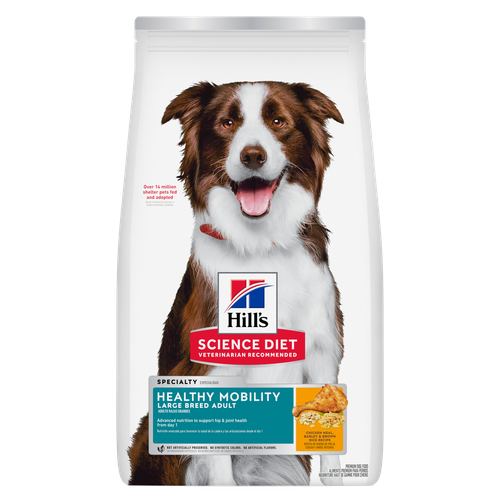
Hill's Science Diet Adult Healthy Mobility Large Breed Chicken Meal, Barley & Brown Rice Recipe Dog Food
Advanced nutrition shown to support joint health and improve mobility

Adult Light Chicken Meal & Barley Recipe Dog Food
Fewer calories for less active dogs

Adult Light Large Breed Chicken Meal & Barley Recipe Dog Food
Fewer calories for less active large breed dogs
Related articles

Helpful Tips for Exercising with Your Dog
Though it may seem like your four-legged friend loves nothing more than to nap on the couch, dogs need regular exercise to stay healthy just like people do.

Keeping Your Dog From Begging at the Dinner Table
Learn how to stop your dog from begging at the dinner table, and understand how it can help contribute to his health.
Exercise Tips to Keep Your Dog Active
A little exercise can make a big difference. Not only will it enhance your pet’s health, but it will beef up your relationship as well.

What to Look For in Food for a Mature Dog
Learn about choosing the right dog food to help ensure your mature older dog will receive the correct balance of nutrition.

Put your dog on a diet without them knowing
Our low calorie formula helps you control your dog's weight. It's packed with high-quality protein for building lean muscles, and made with purposeful ingredients for a flavorful, nutritious meal. Clinically proven antioxidants, Vitamin C+E, help promote a healthy immune system.
Put your dog on a diet without them knowing
Our low calorie formula helps you control your dog's weight. It's packed with high-quality protein for building lean muscles, and made with purposeful ingredients for a flavorful, nutritious meal. Clinically proven antioxidants, Vitamin C+E, help promote a healthy immune system.