


You know your dog needs to be groomed regularly, but did you know that cleaning your dog's paws are an important part of their grooming routine? On daily walks and romps in the yard, your pup's feet are exposed to rough surfaces, wet ground, dirt and debris.
And the pads on the bottom of your pup's paws serve an important purpose. As the ASPCA explains, they "provide extra cushioning to help protect bones and joints from shock, provide insulation against extreme weather, aid walking on rough ground and protect tissue deep within the paw."
If paw cleaning isn't already part of your dog care regimen, here's how to get started.
How Often Should You Clean Your Dog's Paws?
Unlike bathing your dog, which the ASPCA recommends you do at least every three months, there aren't specific guidelines for how often dog paw cleaning should occur. However, consider checking your dog's paws weekly. Depending on their level of exercise and the season (harsh summers and winters can be tough on your pet's paws), you can adjust the schedule to fit your pup's needs. If you frequently take your dog hiking, for example, you may need to check and wash their paws after every trip to the trails. On the other hand, a pooch who spends most of their time indoors and just goes on light neighborhood walks might only need a dog paw cleaning every other week.



Tasty Tips
Preparing for a Dog Paw Cleaning
It's important to check your dog's paws before lathering them up. Often, debris gets stuck between the paw pads or in toenails.
Look for anything that doesn't belong on your dog's paw, such as minuscule pebbles or broken pieces of glass, shells or other material. You'll also want to look for splinters or anything embedded into your dog's nails or paw pads. If you find anything, remove it carefully.
Next, take a moment to trim the hair on the bottoms of your dog's paws so it doesn't get matted; this can prevent their feet from smelling stinky and getting infected. The hair should be approximately as long as the pads.
Cleaning Your Dog's Feet
If you've bathed your dog before, you'll find it simple to do a dog paw cleaning. After checking your pup's paws and trimming their hair, wet their feet, lather with mild dog shampoo and rinse. Don't forget to keep a towel nearby to dry your pet's paws, so they don't slip or leave wet footprints around your house.
If you want to do a routine dog paw cleaning after a quick walk, just gently wipe the paws with a washcloth and water. As an even more convenient option, the American Kennel Club recommends using moist wipes that are safe for dogs.
Don't forget to trim your dog's nails and dewclaws (the extra nails on the sides of their paws) if they need trimming; nails should end just before touching the ground. If you hear any clicking when your dog walks, that's a key sign their nails are too long. If you're not comfortable doing this yourself, be sure to ask a professional groomer or your vet to do this at their next appointment.
Cleaning your dog's feet is just one small aspect of being a dog parent, but it's also a great opportunity to build your bond with your dog and remind them you'll always be there to take care of them.

Related products

Adult Light Large Breed Chicken Meal & Barley Recipe Dog Food
Fewer calories for less active large breed dogs

Adult Light Chicken Meal & Barley Recipe Dog Food
Fewer calories for less active dogs

Adult Large Breed Chicken & Barley Recipe Dog Food
Supports healthy joints, lean muscle, and beautiful coat for large breed dogs
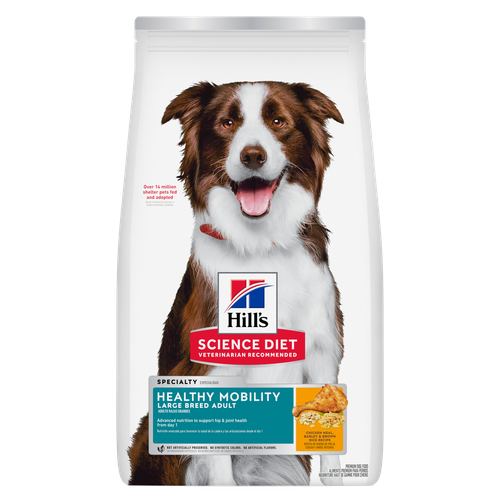
Hill's Science Diet Adult Healthy Mobility Large Breed Chicken Meal, Barley & Brown Rice Recipe Dog Food
Advanced nutrition shown to support joint health and improve mobility
Related articles
Helpful Tips for Exercising with Your Dog
Though it may seem like your four-legged friend loves nothing more than to nap on the couch, dogs need regular exercise to stay healthy just like people do.
What to Look For in Food for a Mature Dog
Learn about choosing the right dog food to help ensure your mature older dog will receive the correct balance of nutrition.
Exercise Tips to Keep Your Dog Active
A little exercise can make a big difference. Not only will it enhance your pet’s health, but it will beef up your relationship as well.
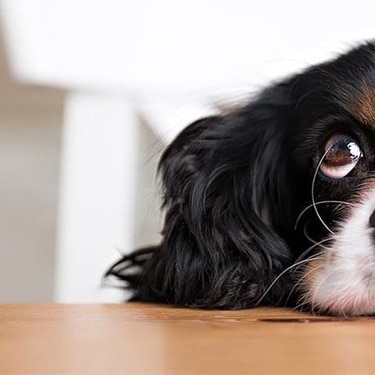
Keeping Your Dog From Begging at the Dinner Table
Learn how to stop your dog from begging at the dinner table, and understand how it can help contribute to his health.

Put your dog on a diet without them knowing
Our low calorie formula helps you control your dog's weight. It's packed with high-quality protein for building lean muscles, and made with purposeful ingredients for a flavorful, nutritious meal. Clinically proven antioxidants, Vitamin C+E, help promote a healthy immune system.
Put your dog on a diet without them knowing
Our low calorie formula helps you control your dog's weight. It's packed with high-quality protein for building lean muscles, and made with purposeful ingredients for a flavorful, nutritious meal. Clinically proven antioxidants, Vitamin C+E, help promote a healthy immune system.