


Adopting special needs pets is not for just anybody. People looking for a new pet may shy away from the challenges of pets with disabilities, health issues, or behavioural problems. These pets can take up to four times as long to find homes — sometimes as long as two years, according to Petfinder.
When such a pet finds a forever home with those who are willing and able to provide the necessary care and accommodations, it's truly a cause for celebration, which is why pet shelters work extra hard to match disabled pets for adoption with the right homes.
What Are Special Needs Pets?
 Brother Wolf Animal Rescue (BWAR), an animal shelter based in Asheville, North Carolina, defines a special needs pet as "one who has a behavioural and/or medical challenge that requires specialized care and attention from our staff, volunteers, foster parents, and potential adopters," says shelter representative Andee Bingham.
Some examples of pets with special needs include those with disabilities, such as deafness, blindness, or mobility issues, those with chronic or terminal medical conditions like feline AIDS, cancer, or heart disease, elderly pets with age-related conditions, and animals with behavioural issues, often stemming from abuse or neglect.
Placing Disabled Pets for Adoption
Finding homes for special needs pets requires a lot of preparation — not only for the pet, but also for the potential adopter. "It's very important to us that each and every one of our animals goes to an appropriate home," says Bingham. "When it comes to animals who have special needs, that often means offering support and training to both the animal and the adopter."
This includes a team of trainers and behaviourists working together to train and socialize behaviourally challenged dogs, as well as a team of veterinarians providing specialized medical care. Pets who need them also receive prosthetics and mobility aids, along with physical therapy and any medications necessary for improving quality of life.
Prospective adopters also undergo rigorous training and evaluation. "It's important to us that [our pets are] matched up with the right family," says Bingham. "Depending on the intensity of the need, some animals require specific types of home environments or restrictions. A very anxious dog who has proven himself to be a flight risk, for instance, may be required to go to a home with a six-foot fence."
BWAR's workers view each animal as an individual and consider each pet's needs when matching them with prospective homes. "Our behaviour team routinely works for days or weeks with prospective families to make sure it's a good match and that the family is invested and properly trained to keep the dog safe and happy in his home."


Tasty Tips
What It Takes to Adopt a Special Needs Pet
Because of the specialized care required for a pet with special needs, shelters don't tend to adopt these pets out to just anybody. Prospective families must meet certain requirements in order to be considered. Apart from demonstrating the ability to provide a pet with the necessary care, BWAR also looks for potential adopters who are undaunted by the challenges presented by the pet. They look for people who listen to the advice and instructions of behavioural counselors and veterinary staff and show a willingness to follow through and take initiative in continuing the pet's care.
Support for Forever Families
 One important aspect of these types of adoptions is ongoing support for the pets and their new families. "We believe that the best way to keep special needs animals in their homes is to provide post-adoption support," says Bingham. "Our team is always available to answer questions and to help problem-solve any issues that may come up post-adoption. Our goal is always to keep animals in their loving homes when possible."
While most shelters share this goal and provide what support they can post-adoption, BWAR goes above and beyond what most shelters can provide with their Lifelong Friends program, which provides behavioural support, veterinary care and even food to qualifying animals for the lifetime of the pet. Says Bingham, "We've found this to be a great incentive for families who have fallen in love with a special needs animal but can't manage or afford the ongoing specialized care they need."
Creating a Happy Ending
While life may seem bleak for a pet who has serious issues or disabilities, getting matched with the right family can be a happily ever after. Bingham shares the story of Mystika, a flat-coated retriever/Australian shepherd mix in the shelter's care that had such an intense distrust of strangers that made it hard to get her adopted. "When potential adopters peered into her run, she'd jump up on the cage to bark and growl at them! As you can imagine, visitors were scared of her and interest from potential adopters was few and far between."
When a family expressed interest after seeing Mystika's profile online, the behavioural team explained her challenges and needs, which did nothing to dissuade the family's interest in her. The shelter spent weeks working with Mystika and her prospective family to prepare all of them to bring Mystika home — which they eventually did.
"I visited her in her new home shortly after they adopted her, and she was like a completely different dog," says Bingham. "The family lives on a large chunk of land, set back far from the road. They rarely have visitors, and they have a tried-and-true routine when they do, so Mystika's 'stranger danger' is rarely a challenge anymore. She's relaxed and happy. They're absolutely the best family for her."
While it's understandable that not everyone is up to the challenge of adopting special needs pets, those who do find the experience so rewarding that it's well worth the additional effort and expense.
It's important to remember that pets with special needs are every bit as capable of love and affection as healthy pets, and their issues do nothing to detract from the joy they bring to their forever families. If you think you might have what it takes to provide a loving, nurturing home for a pet with special needs, you can start by contacting your local pet shelter, or peruse local shelters that partner with Hill's to find a special needs pet who will brighten your life.

Related products

Adult Light Large Breed Chicken Meal & Barley Recipe Dog Food
Fewer calories for less active large breed dogs

Adult Light Chicken Meal & Barley Recipe Dog Food
Fewer calories for less active dogs

Adult Large Breed Chicken & Barley Recipe Dog Food
Supports healthy joints, lean muscle, and beautiful coat for large breed dogs
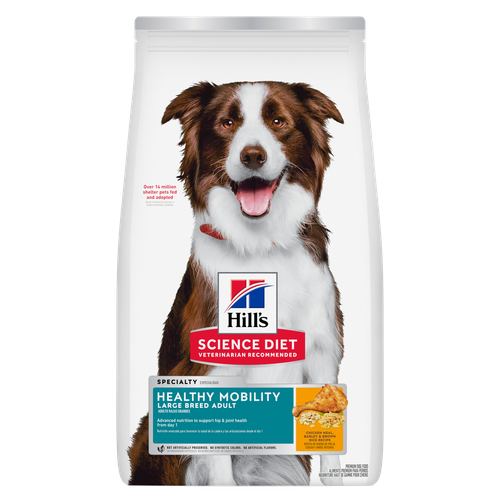
Hill's Science Diet Adult Healthy Mobility Large Breed Chicken Meal, Barley & Brown Rice Recipe Dog Food
Advanced nutrition shown to support joint health and improve mobility
Related articles

Adopting a Pet: What You Need to Know
Learn the basics of adopting a pet, including where to begin and common questions you should ask yourself when deciding which kind of pet is best for you.

Fun Ideas for Kids and Pets This Summer
Outdoor summer activities with your dog or cat can be fun for kids, too. Learn how they also teach kids responsibility & creates a bond with their pet.

How to Choose the Best Dog and Cat Names
Open admission animal shelters help end animal abandonment, homelessness, and unnecessary euthanasia. Learn more about the shelters and how you can help.

Cat vs. Dog: Which Is the Best Pet for Me?
Learn about important differences between dogs and cats, such as cost & space considerations. These factors can help you decide which pet is best for you.
Put your pet on a diet without them knowing
Our low calorie formula helps you control your pet's weight. It's packed with high-quality protein for building lean muscles, and made with purposeful ingredients for a flavourful, nutritious meal. Clinically proven antioxidants, Vitamin C+E, help promote a healthy immune system.
Put your pet on a diet without them knowing
Our low calorie formula helps you control your pet's weight. It's packed with high-quality protein for building lean muscles, and made with purposeful ingredients for a flavourful, nutritious meal. Clinically proven antioxidants, Vitamin C+E, help promote a healthy immune system.