


There are many benefits of including fruit in a healthy human diet, but as a pet parent, you may ask yourself: can my pets eat fruit?
If you're tempted to feed these tasty treats to your furry friend, you'll be happy to know that you can include fruit in your pet's snack routine, as long as you stick to those fruits that are safe. Some fruits can be toxic to your pet, so it's very important to double-check with your veterinarian before sharing your fruit salad. Also, remember that it is very important to consider your pet's overall diet. If your dog or cat is already eating a well-balanced diet, make sure that you don't overdo it with feeding them fruit, even if it is a nutritious treat.

Can Dogs Eat Fruit?
There is some debate whether or not dogs should be considered carnivores or omnivores. Research shows that dogs are capable of safely consuming and digesting some plant-based foods. While dogs share some genetic traits with their wolf ancestors — they are not wolves. They do receive benefits from consuming meat, but their dietary needs have adapted to be more domesticated, including key nutrients from fruits. So, generally speaking, if you're asking, "Can dogs eat fruit?" The answer is yes, but only certain and limited amount of fruits.
Moderation is the key to incorporating fruit into your dog's meals. Excessive ingestion of fruit (even safe fruit) may cause intestinal irritation, diarrhea, or bloating. It is recommended that any food outside your dog's primary nutrition be less than 10% of his overall calorie intake. All foods discussed below should be discussed with your veterinarian before giving to your dog.
Additionally, be sure to remove any choking hazards, such as ball-shaped pieces of fruit, seeds, pits, and stems, some of which can be toxic.
Here are some safe fruits for dogs, including recommended appropriate portion sizes:
- Apples (1-2 slices): High in fiber and protein, this fruit a great source of vitamins A and C. Do not feed your dog the core or seeds, both of which contain arsenic.
- Apricots (1 slice): It's a yummy, sweet treat, but carefully and completely remove the leaves, stem and pit prior to serving because these are toxic to dogs, cats and horses.
- Bananas (1-2 pieces): Containing potassium and carbs, this versatile fruit should be sliced into approximately one-inch chunks.
- Blackberries (2-3 berries): Full of antioxidants and fiber, this berry also packs vitamins A, C, K and E.
- Blueberries (2-3 berries): This berry contains strong antioxidant properties and is considered a superfood for humans and dogs.
- Cantaloupe (1 piece): This melon contains beta-carotene, a pigment that makes it orange, and which aids in the improvement of vision. Cut it into one-inch chunks.
- Cranberries (1-2 tablespoons): Cook this berry in water (and no other ingredients) before serving it to your dog.
- Kiwis (half a slice): In addition to fiber, kiwis provide vitamin A and potassium.
- Mango (1-2 slices): Before serving this exotic fruit to your pet, peel it and remove the pit to avoid digestive issues. The pit is toxic.
- Peaches (2-3 pieces): Skip the canned version (too much sugar) and opt for the fresh fruit, cut up into bite-sized pieces with the toxic pit carefully removed, for a treat that's high in vitamin A.
- Pears (2-3 pieces): Pears are high in fiber and copper. Choose chunks of the whole fruit and remove the core and seeds, which are toxic.
- Pineapples (2-3 pieces): Raw, fresh pineapple is a wonderful sweet treat— Cut off the prickly skin before serving.
- Strawberries (half a berry): This yummy berry contains vitamins B1 and B6, helpful for your dog's muscles says VetInfo.
- Watermelon (1 slice, seedless): Because it's ninety-two percent water, this melon is a go-to for humans and dogs to prevent dehydration when temperatures rise.
Can Cats Eat Fruit?
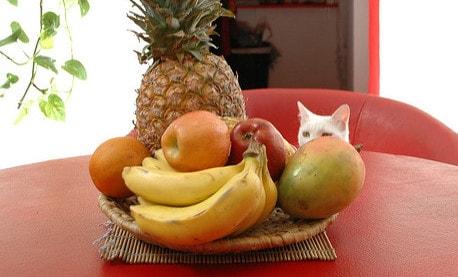 Unlike dogs, cats aren't interested in the sweetness of fruit. Vetstreet explains, fruit can be a good option (in moderation, of course) as a substitute for cat treats.


Tasty Tips
The following are safe fruits to feed your fur baby that's looking for a refreshing snack. Portions should be cut into small, bite-sized pieces that do not pose a choking hazard for your kitty. Follow the same serving instruction for dogs, as explained above:
- Apples
- Bananas
- Blueberries
- Cantaloupe
- Strawberries
- Watermelon (seedless)
What Fruits to Avoid with Dogs and Cats
Consuming the wrong plant-based food can pose serious health risks for your pet. The following fruits should not be given to your dog or cat:
- Cherries: The cherry pit contains cyanide, which is toxic to dogs and can be lethal.
- Citrus (oranges, tangerines, clementines, grapefruit, lemons, limes): Although the fruit itself may not cause digestive distress, citrus plants are toxic to dogs and cats. "The fruit, leaves, peel, seeds, and stems of citrus plants all contain citric acid in varying amounts," explains the Royal Society for the Prevention of Cruelty to Animals New South Wales. "While small amounts will probably just cause a minor stomach upset, large amounts can cause diarrhoea, irritation, vomiting, or even central nervous system depression."
- Grapes and raisins: These foods can cause serious digestive issues in your pet, including diarrhea, vomiting, and lethargy. They may even cause acute kidney failure in cats and dogs, notes the American Society for the Prevention of Cruelty to Animals, so it's important to keep them away from your little furry friends.
- Tomatoes (Yes, we're considering them a fruit): Red ripe tomatoes are usually healthy for pets, but some green tomatoes contain toxins that can make pets sick, so it is always best to consult your veterinarian first.
Can dogs eat fruit? Can cats eat fruit? Absolutely — if it's safe fruit in moderation. However, it is necessary to warn that some fruits are not healthy for dogs and cats with certain medical conditions, so it is always important to check with your veterinarian before introducing any new foods into your pets' nutrition.
If you're looking to add some variety to your pet's snacks, you have many safe options from which to choose. Just as you do when searching for the right dog food or right cat food, watch your pet closely when feeding him or her any new food item, and contact your vet with any questions.
Bon appétit!

Related products

Adult Light Chicken Meal & Barley Recipe Dog Food
Fewer calories for less active dogs

Adult Large Breed Chicken & Barley Recipe Dog Food
Supports healthy joints, lean muscle, and beautiful coat for large breed dogs
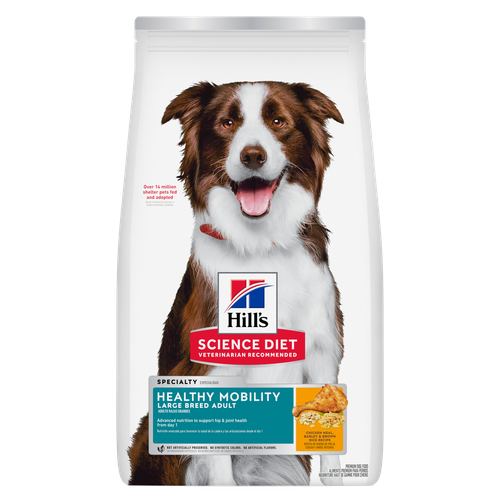
Hill's Science Diet Adult Healthy Mobility Large Breed Chicken Meal, Barley & Brown Rice Recipe Dog Food
Advanced nutrition shown to support joint health and improve mobility

Adult Light Large Breed Chicken Meal & Barley Recipe Dog Food
Fewer calories for less active large breed dogs
Related articles

Adopting a Pet: What You Need to Know
Learn the basics of adopting a pet, including where to begin and common questions you should ask yourself when deciding which kind of pet is best for you.

Cat vs. Dog: Which Is the Best Pet for Me?
Learn about important differences between dogs and cats, such as cost & space considerations. These factors can help you decide which pet is best for you.

How to Choose the Best Dog and Cat Names
Open admission animal shelters help end animal abandonment, homelessness, and unnecessary euthanasia. Learn more about the shelters and how you can help.

Fun Ideas for Kids and Pets This Summer
Outdoor summer activities with your dog or cat can be fun for kids, too. Learn how they also teach kids responsibility & creates a bond with their pet.

Put your pet on a diet without them knowing
Our low calorie formula helps you control your pet's weight. It's packed with high-quality protein for building lean muscles, and made with purposeful ingredients for a flavourful, nutritious meal. Clinically proven antioxidants, Vitamin C+E, help promote a healthy immune system.
Put your pet on a diet without them knowing
Our low calorie formula helps you control your pet's weight. It's packed with high-quality protein for building lean muscles, and made with purposeful ingredients for a flavourful, nutritious meal. Clinically proven antioxidants, Vitamin C+E, help promote a healthy immune system.