


Being a pet parent means being prepared for emergencies both big and small. But what happens if you get sick and can't care for your pets?
If you become ill, it's important to have both a pet preparedness plan and a pet emergency kit ready so that your designated pet caretaker has everything they need to take care of your furry friend.
How to Create a Pet Preparedness Plan
Much like a pet disaster plan, a preparedness plan is something put in place before the emergency hits, points out the American Veterinary Medical Association (AVMA). They advise, "it's also good to have one prepared in the case of quarantine or self-isolation when you cannot leave your home." This also pertains to situations in which you can't take care of your pet yourself. Even if your pet is staying in your home, the pet caretaker needs to know exactly where the supplies are and what to do with them.
Choose a Pet Caretaker
The first thing you need to do is decide who will care for your pet when you cannot. Designate a capable member of the household or, if you live alone, a trustworthy friend or relative. Depending on whether you will need a pet caretaker for a short or long period of time, this may be more than one person. Ideally, the caretaker is someone with whom your pet is already familiar and who is comfortable making important decisions for your pet.

Ensure that your designated pet caretaker understands the full extent of their responsibility, including any special health and wellness needs your pet may have. And make sure other people know who your pet caretaker is. Notify your veterinarian's office that the caretaker is allowed to speak with the vet and make plans on your pet's behalf.
Leave Instructions
The ideal pet preparedness plan includes easily accessible pet care instructions that are written out in clear language. Walk through your daily routine and jot down everything that comes to mind, including the following details:
- Feeding schedule, portion measurements and location of food and fresh water
- Medication schedule
- Litter box cleaning maintenance (if applicable)
- Dog-walking schedule (if applicable)
- Grooming needs
- Bedtime routine
Once you have the plan in place, write it down and share it with your caretaker. An email or text works well, but it's also advisable to print the plan out and leave it somewhere highly visible, such as a kitchen countertop.


Tasty Tips

Keep Special Considerations in Mind
Although it's not always easy to talk about, being prepared also means planning for what to do if you aren't around to take care of your pet in the long term. One option is to create a trust for your pet so you can appoint a legal guardian and provide them with the necessary funds to take care of your beloved companion. Unlike a will, which is enacted after death, a trust provides security for long-term pet care if you're ill or hospitalized for an extended period of time.
Pet Emergency Kit: What You Need
A pet preparedness plan includes a well-stocked supply of items — enough for about two weeks. The basics of a pet emergency kit include the following items:
- Food
- Clean water
- Medications
- Bedding
- Cat litter (if applicable)
- Pet waste bags
- Grooming tools
- Leash or harness
- Crate or carrier
- Contact information for your vet's office and a 24-hour emergency vet
- Copy of health records, including vaccinations and microchip numbers (ensure your contact information is accurate and up to date)
- Current photograph of your pet
Be sure to identify and include items that are special to your pet, such as their favorite toys, a special blanket or other objects of comfort.
Having a plan in place can bring calm to an already worrisome and stressful situation. Creating a pet preparedness plan and emergency kit to care for your furry family members is an investment in your and your pet's health, wellness and future.

Related products
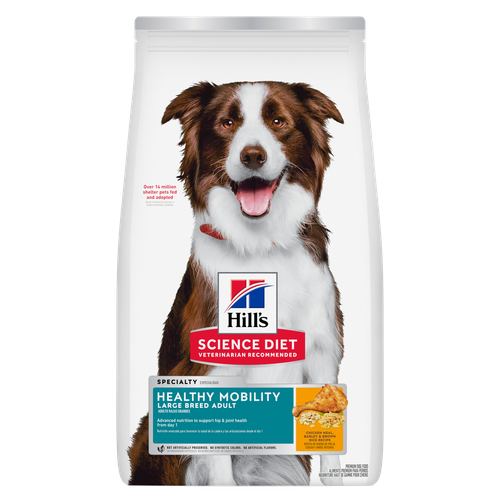
Hill's Science Diet Adult Healthy Mobility Large Breed Chicken Meal, Barley & Brown Rice Recipe Dog Food
Advanced nutrition shown to support joint health and improve mobility

Adult Large Breed Chicken & Barley Recipe Dog Food
Supports healthy joints, lean muscle, and beautiful coat for large breed dogs

Adult Light Chicken Meal & Barley Recipe Dog Food
Fewer calories for less active dogs

Adult Light Large Breed Chicken Meal & Barley Recipe Dog Food
Fewer calories for less active large breed dogs
Related articles

Adopting a Pet: What You Need to Know
Learn the basics of adopting a pet, including where to begin and common questions you should ask yourself when deciding which kind of pet is best for you.

Fun Ideas for Kids and Pets This Summer
Outdoor summer activities with your dog or cat can be fun for kids, too. Learn how they also teach kids responsibility & creates a bond with their pet.

Cat vs. Dog: Which Is the Best Pet for Me?
Learn about important differences between dogs and cats, such as cost & space considerations. These factors can help you decide which pet is best for you.

How to Choose the Best Dog and Cat Names
Open admission animal shelters help end animal abandonment, homelessness, and unnecessary euthanasia. Learn more about the shelters and how you can help.
Put your pet on a diet without them knowing
Our low calorie formula helps you control your pet's weight. It's packed with high-quality protein for building lean muscles, and made with purposeful ingredients for a flavourful, nutritious meal. Clinically proven antioxidants, Vitamin C+E, help promote a healthy immune system.
Put your pet on a diet without them knowing
Our low calorie formula helps you control your pet's weight. It's packed with high-quality protein for building lean muscles, and made with purposeful ingredients for a flavourful, nutritious meal. Clinically proven antioxidants, Vitamin C+E, help promote a healthy immune system.