


 Many cat owners have opted in recent years to keep their cats indoors. This is understandable as the dangers of road traffic accidents are all too real in both rural and urban locations. But indoor living can be hazardous too. Weight gain due to inactivity or behavioral problems due to lack of stimulation are easily solved through feeding the right foods and providing toys and games that keep cats active and interested. But how else can you ensure that your indoor cat is kept safe and sound?
Safe Surroundings
Houseplants can present significant dangers to cats who are tempted to chew on leaves or flowers particularly. The part of the plant that is actually eaten can make a big difference to how a cat will be affected: daffodil bulbs for example are a common cause of poisoning in dogs but the leaves and flowers (which a cat is more likely to chew) are a much less common cause of poisoning. To be safe, daffodils and lilies are probably best avoided as they are one of the most common causes of plant poisonings in pets. It is also important to remember that fresh flower bouquets can also be eaten - Lily of the Valley for instance is toxic to cats.


Tasty Tips
The root of the problem
Your cat does not need to swallow a plant to be harmed, as some plants such as Joseph's Coat (Croton), have toxic sap that is released when the plant is chewed, causing blistering of the mouth. However, the risks do have to be kept in proportion. In some cases the toxic reaction to plants can be very mild and in others it is 'self limiting' meaning that the cat will recover on its own. It is also not uncommon to see huge lists of houseplants that can cause poisoning in cats. In reality, the majority of cats will find most of these plants unattractive or uninteresting. Cyclamen for instance is often included in these lists but it is only the root that is poisonous and few cats are likely to find them so attractive that they will dig down and eat sufficient quantities to trigger a reaction.
Hot Tips
Avoid buying houseplants that are known to cause toxic reactions in either children or pets - if they present a danger to children, they probably present a danger to cats
If your cat eats a significant quantity of any houseplant or a little of a known toxic plant, or shows salivating or distress after chewing a plant, contact your vet straight away
Consider placing silver foil or cling film around the base of your houseplants - this makes digging around the roots of the plant unattractive.
Ensure your cat always has plenty of fresh water available (to avoid the temptation to chew leaves for moisture)
Offer toys, timed meals from automatic dishes, or a wind chime outside the window, to keep your cat amused when you are out, because boredom can lead to plant chewing.
The Most Common House Plant Poisons
Azalea
Lilies including Easter Lily, Day Lily (Hemerocallis), Tiger lily
Croton (Joseph's Coat)
Daffodils (Narcissus species)
Caladium (Elephant Ear)
Dieffenbachia (Dumb Cane)
Ficus (rubber plants, weeping and variegated fig plants)
Philodendron
Monstera (Swiss Cheese Plant)
Oleander
Poinsettia
Christmas Cherry
Holly berries
For more information visit the Royal Horticultural Society

Related products

Adult Perfect Digestion Chicken, Barley & Whole Oats Recipe Cat Food
Hill's Science Diet's breakthrough nutrition supports ultimate digestive well-being & healthy microbiome

Adult Healthy Cuisine Roasted Chicken & Rice Medley Cat Food
Delicious roasted chicken and rice in a mouthwatering sauce

Kitten Healthy Cuisine Tender Chicken & Rice Medley
Delicious tender chicken and rice in a mouthwatering sauce with precisely balanced nutrition to support 5 essential building blocks for lifelong health
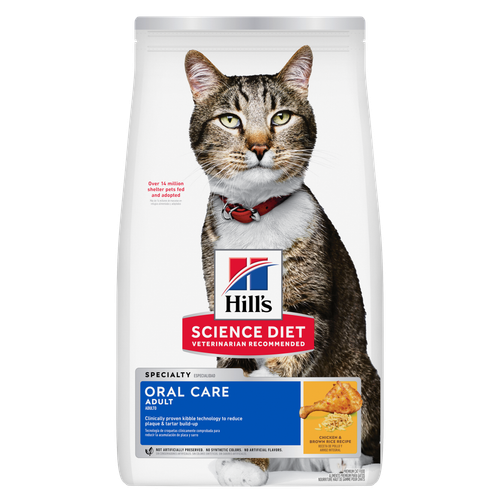
Adult Oral Care Chicken & Brown Rice Recipe Cat Food
Clinically proven kibble technology to reduce plaque & tartar build-up
Related articles

Weight Management
Obesity affects more than 30 percent of cats in America. Learn how you can properly feed and exercise your cat to improve its weight management.

Brushing & Food: Keys to Maintaining Your Cat's Oral Health
Get helpful information on proper feline oral healthcare and why it's so vital to take care of your cat's teeth.

Cats with Sensitive Skin: Looking Beneath the Fur
Provide the best possible treatment for cats with sensitive skin by spotting the signs, knowing the causes, and understanding the remedies. Learn more now.
Belly Upset: Soothing Your Cat's Sensitive Stomach
Understand the symptoms of a chronic upset stomach in your cat, and learn how to help sooth their discomfort.

Put your cat on a diet without them knowing
Our low calorie formula helps you control your cat's weight. It's packed with high-quality protein for building lean muscles, and made with purposeful ingredients for a flavorful, nutritious meal. Clinically proven antioxidants, Vitamin C+E, help promote a healthy immune system.
Put your cat on a diet without them knowing
Our low calorie formula helps you control your cat's weight. It's packed with high-quality protein for building lean muscles, and made with purposeful ingredients for a flavorful, nutritious meal. Clinically proven antioxidants, Vitamin C+E, help promote a healthy immune system.